What a sealer does
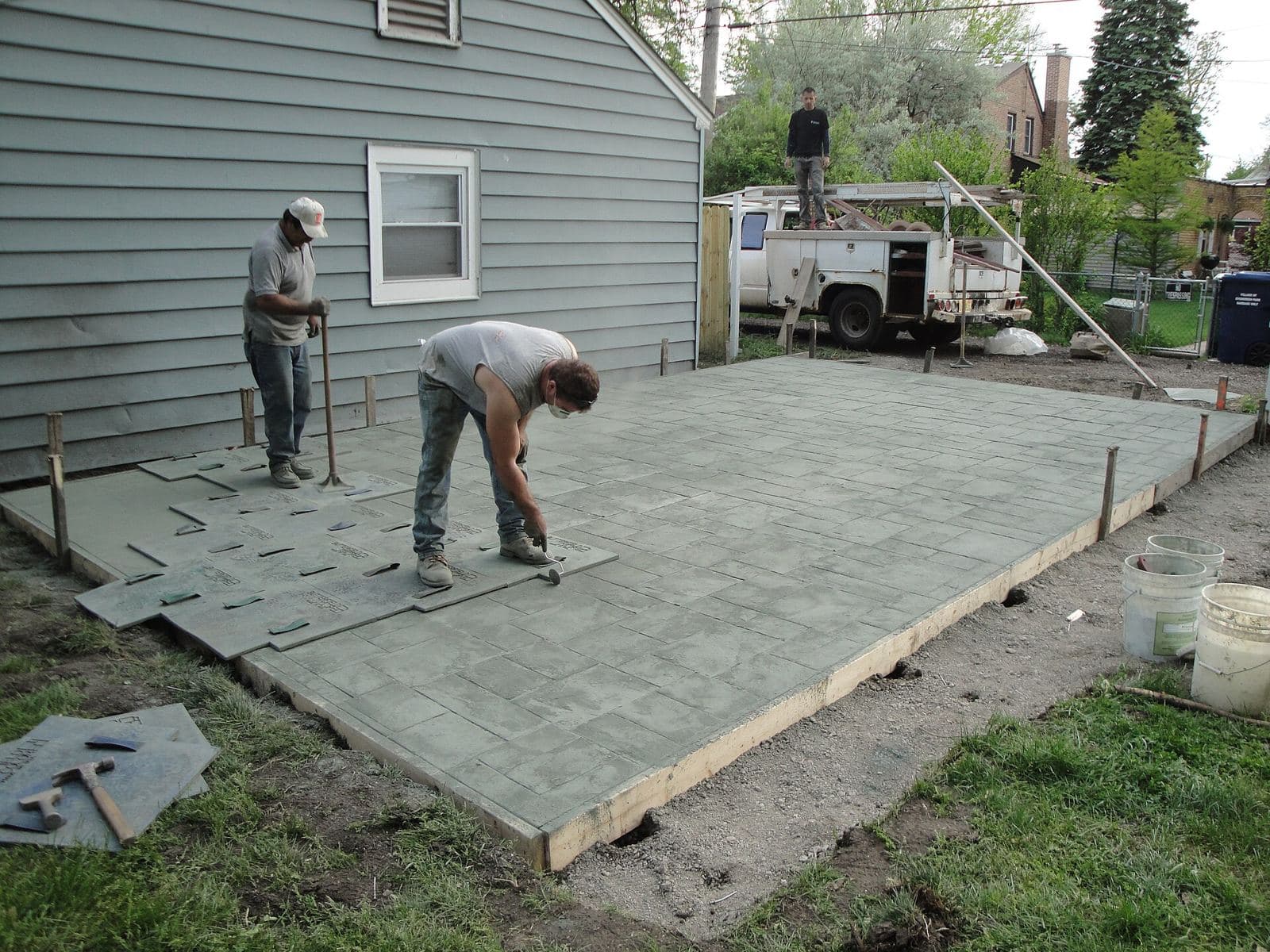
Concrete is porous. Water, oil, tyre rubber, leaf tannins and mould spores all soak in. A sealer either fills the pores near the surface or forms a thin film over it, so stains sit on top where they can be cleaned off. On coloured and decorative concrete it also deepens the colour and takes the wear in place of the concrete underneath.
The main types
| Type | Look | Best for | Watch out for |
|---|---|---|---|
| Penetrating (silane, siloxane) | Invisible, no shine | Broom and plain driveways; repelling water and oil | Doesn't enhance colour; hard to tell when it has worn off |
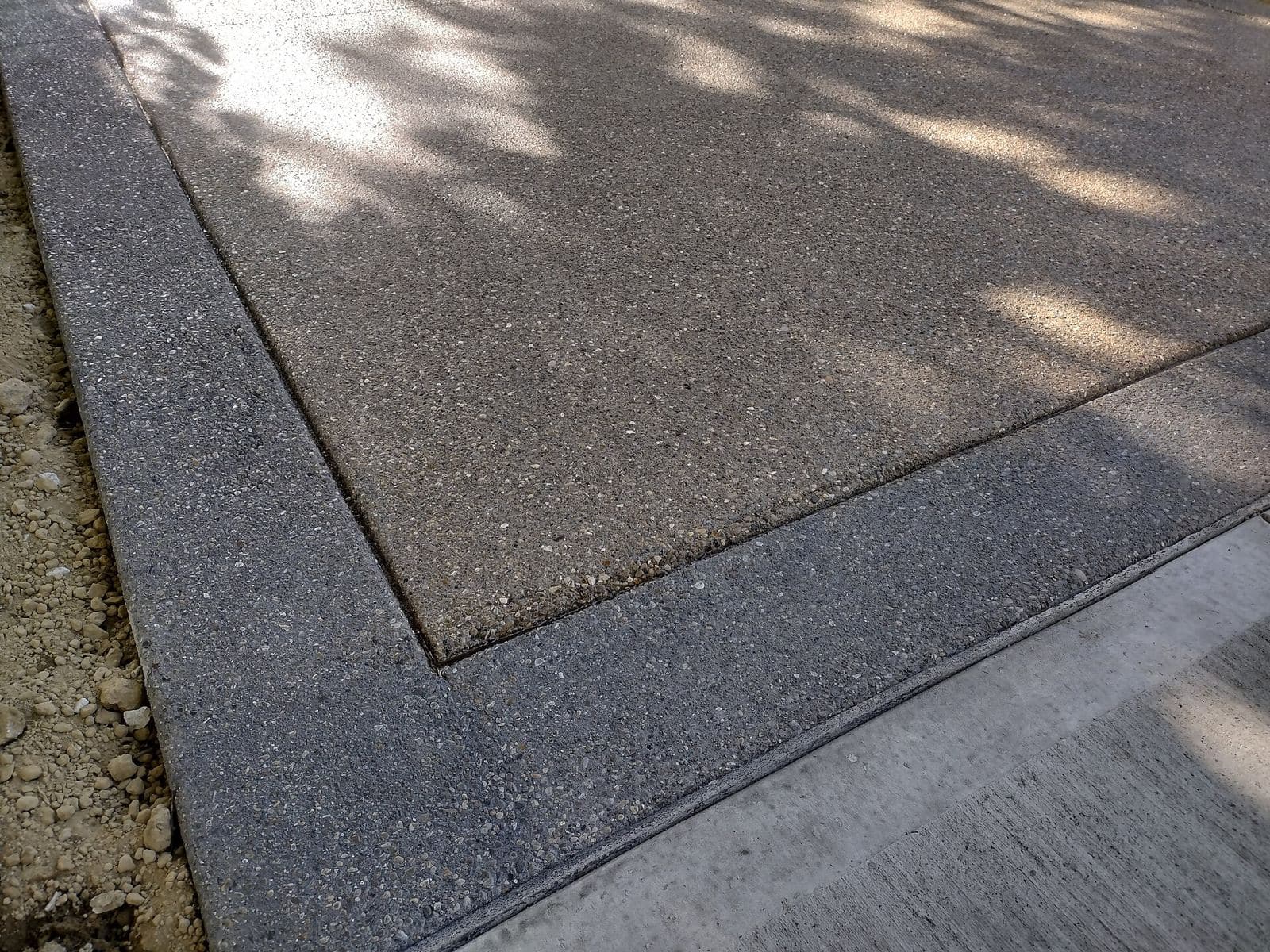
| Acrylic, solvent-based | Wet look, richer colour | Exposed aggregate, coloured and stamped concrete | Slippery when wet without grit; can soften and mark under hot tyres |
| Acrylic, water-based | Satin to low sheen | Mild colour enhancement with less odour | Usually a shorter life on driveways than solvent acrylics |
| Polyurethane and epoxy | Hard, glossy | Garage floors and workshops under cover | Some epoxies yellow in sunlight; preparation has to be thorough |
Grip after sealing
The most common complaint about sealed driveways is that they're slippery after rain. A gloss sealer fills the fine texture that gives concrete its grip, and on smooth river pebble or a stamped pattern the effect is obvious. CCAA's guidance is to make sure a sealed surface still has the slip and skid resistance it needs, and it notes that silica or carborundum dust mixed into the sealer keeps or improves it. On any sloping driveway, ask for grit in the final coat or use a penetrating sealer.
When to seal new concrete
New concrete has to cure and dry before most sealers go on, or they trap moisture and turn cloudy. Many film-forming sealers ask for around 28 days; some products are made to go on as a curing compound on the day. The manufacturer's instructions are the rule here, because they vary.
For coloured and decorative concrete, CCAA recommends curing with a compatible curing compound, or with the sealer itself if it's rated as a curing compound. Plastic sheeting, damp sand or wet hessian can leave blotchy colour.
How often to reseal
There's no fixed interval. Sun, traffic and the product decide it. Resealing is due when:
- Water stops beading and soaks in, leaving dark patches.
- The colour looks flat and dull, especially in the wheel tracks.
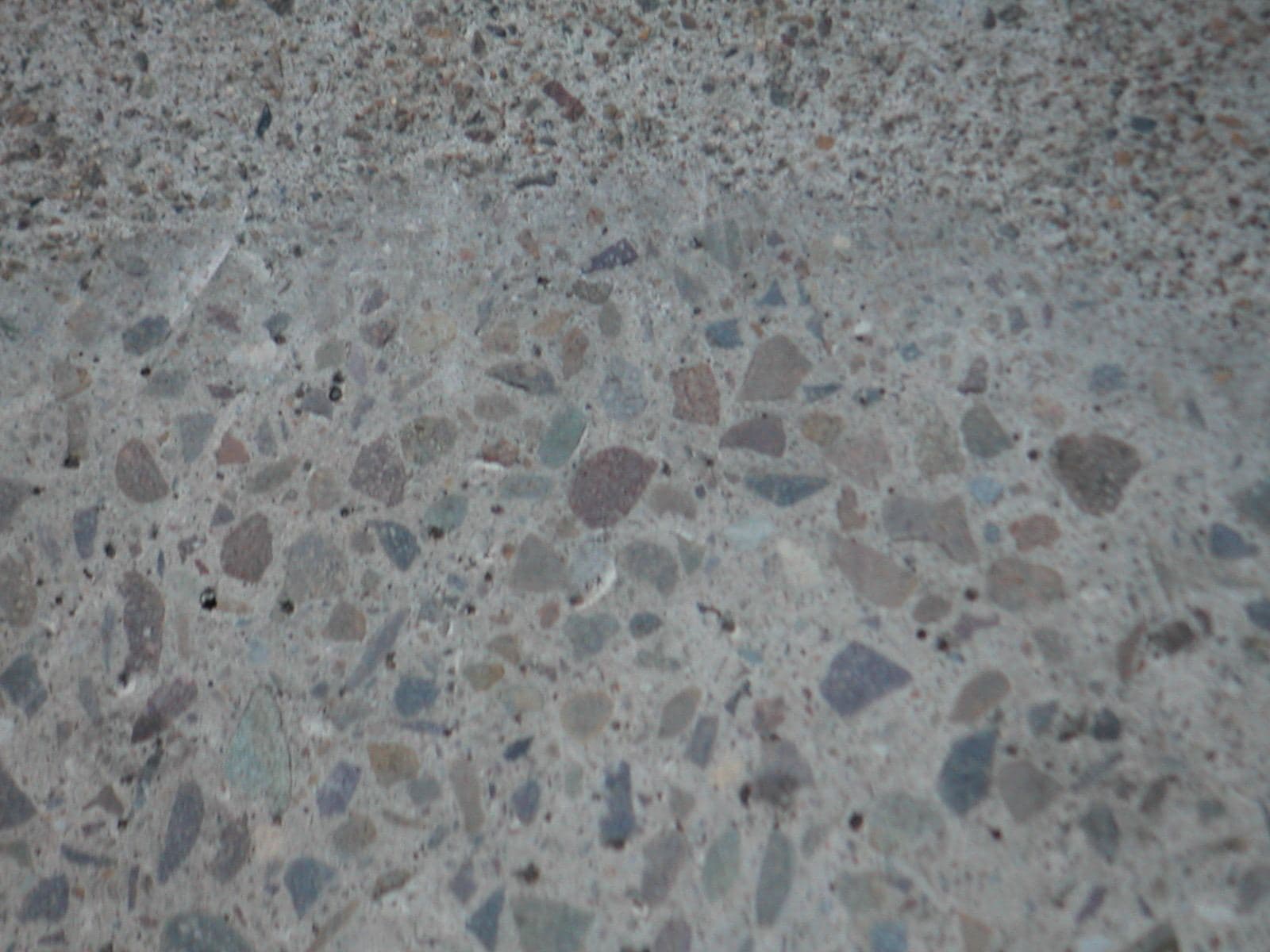
- Stones in exposed aggregate look dusty or start coming loose.
- The sealer is peeling, flaking or has white patches.
For exposed aggregate and stamped driveways in Sydney that's typically every three to five years. White, milky patches usually mean moisture trapped under a solvent acrylic, often from sealing too soon or just before rain. Sometimes they clear when the sealer is re-wetted with the right solvent; otherwise the sealer has to be stripped and reapplied.
Resealing it yourself
Resealing is a reasonable DIY job with the right product and some patience:
- Pick a dry stretch with no rain forecast for at least 24 hours, and avoid the hottest part of the day.
- Pressure clean the surface and treat oil stains with a degreaser. Let it dry completely, which usually takes a day or more.
- Find out what's on there now. A solvent acrylic over a water-based sealer, or the reverse, can fail. If you're unsure, test a small patch first.
- Apply thin coats with a roller or sprayer. Thick coats trap solvent and stay soft.
- Add anti-slip grit to the last coat if the driveway slopes.
- Keep cars off for as long as the label says, often 24 to 72 hours.
Planning a concrete job?
Get your personalised quote from a vetted, licensed concreter near you.
Common questions
Does sealing concrete make it last longer?
It protects the surface from stains, water and wear, which keeps decorative finishes looking new for longer. It doesn't strengthen the slab or stop it cracking.
Can you seal a broom-finished driveway?
Yes. A penetrating sealer leaves the look unchanged and makes oil easier to clean off. A gloss acrylic darkens a broom finish and reduces its grip, so it's less common on plain driveways.
Related services
Sources
Prices in this guide come from our concrete price calculator and update when its rates are reviewed. They are estimates, not fixed quotes: the final price is confirmed at a free site inspection. Council rules were checked against each council's published policy and can change, so confirm with your council before you build.