How each finish is made
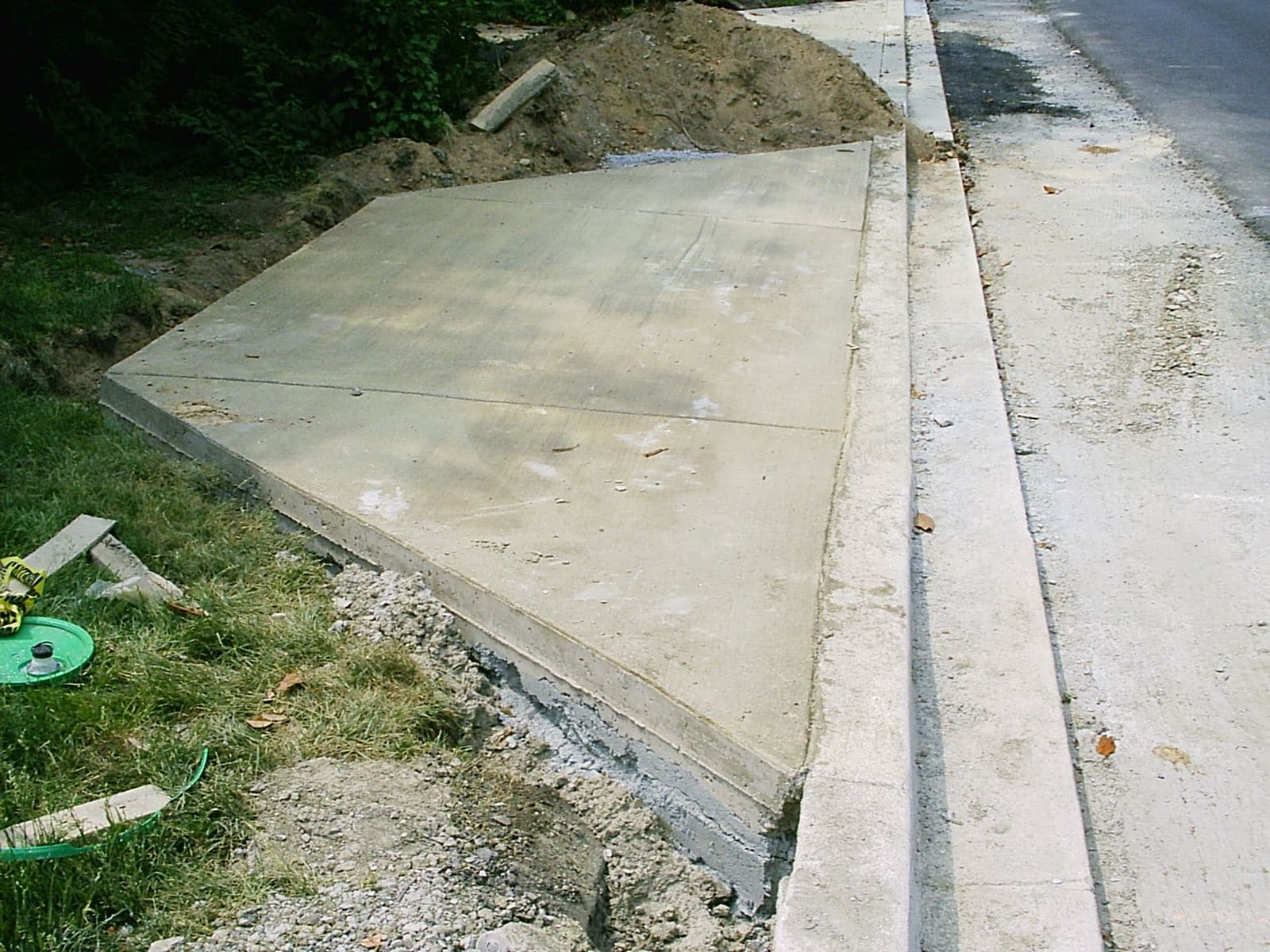
A broom finish is ordinary concrete that's screeded, floated and then dragged with a stiff broom while it's still soft. The broom leaves fine ridges across the slab, and that texture is where the grip comes from. Concrete left smooth, without the broom, is a float or trowel finish, which is mostly used under cover where it won't get wet.
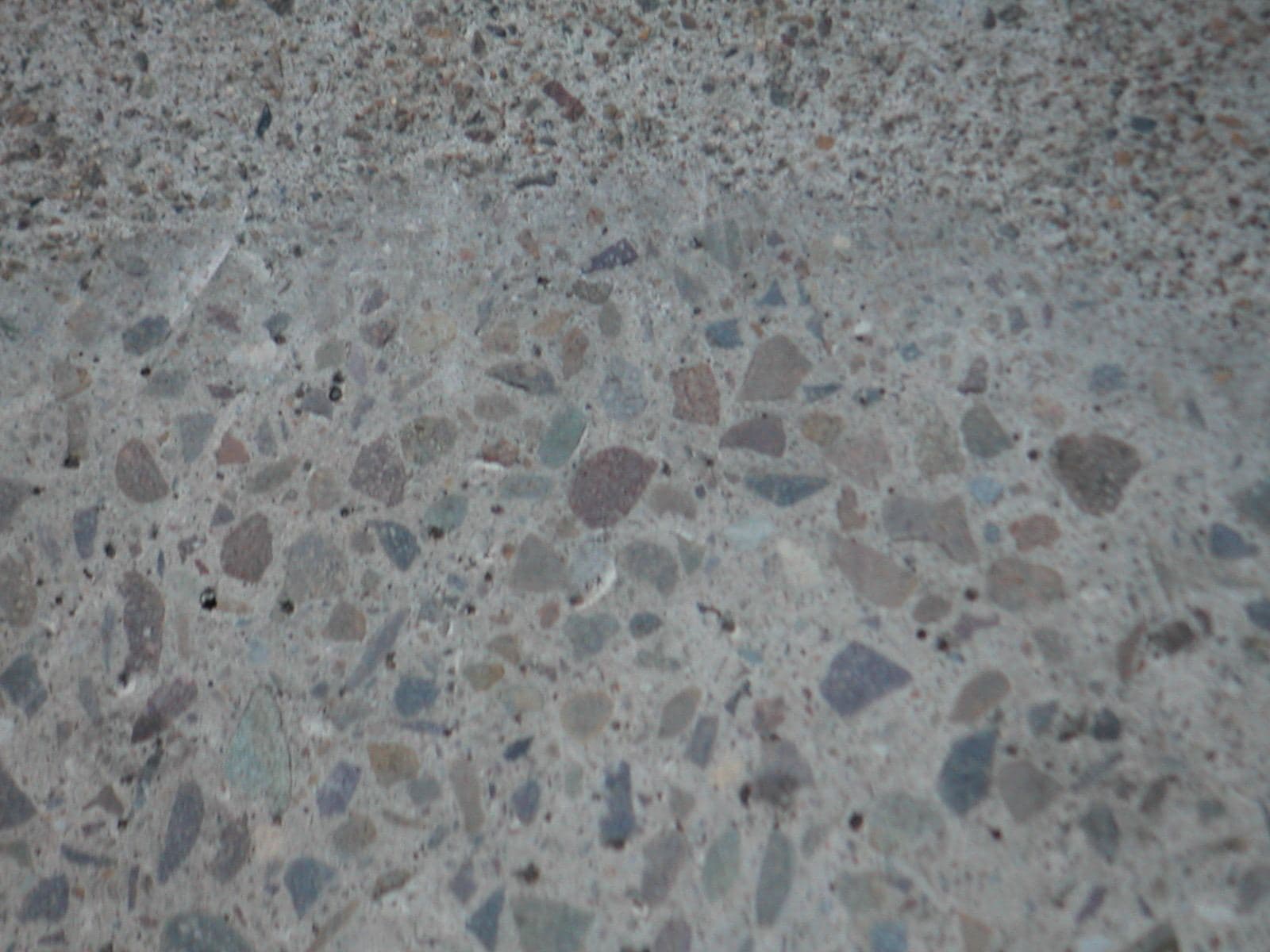
Exposed aggregate starts the same way, but the mix contains decorative stone, or stone is seeded onto the surface after screeding. Once the slab has stiffened, the top layer of cement paste is washed or brushed off to uncover the stones. Timing is the skill. Wash too early and stones come loose; too late and the paste won't shift. Most installers spray a surface retarder after finishing so the top few millimetres set more slowly than the slab underneath.
Price at three driveway sizes
| Driveway size | Broom finish | Exposed aggregate | Difference |
|---|---|---|---|
| 20m² | $4,300–$4,650 | $5,150–$5,500 | $850 |
| 40m² | $8,100–$8,800 | $9,850–$10,550 | $1,750 |
| 60m² | $11,950–$12,950 | $14,550–$15,550 | $2,600 |
The gap grows with area because the extra cost is almost all labour. Exposed aggregate takes a longer day or a return visit: washing off the surface, cleaning the slab and sealing it once it has dried. Concrete supply, mesh and base preparation cost the same either way, so on a sloping or cramped site, where preparation is a bigger share of the bill, the percentage difference shrinks.
Grip in the wet
Both finishes grip well when they're new. A broom finish keeps its texture for the life of the slab, which is why it's the default on steep driveways. Exposed aggregate gets its grip from the stones themselves, so their size and shape matter: CCAA guidance notes that steep driveways may need angular crushed stone in place of smooth river pebble.
The sealer is the part that can make it slippery. A high-gloss solvent acrylic over smooth pebbles feels slick after rain. If your driveway has any real fall, ask for a matt or satin sealer, or one with a non-slip additive such as fine silica or carborundum grit mixed into the last coat.
Cleaning, stains and mould
This is where exposed aggregate earns its premium. A grey broom finish shows oil drips, tyre marks, rust rings from pot plants and the black mould that grows on shaded southern sides. The mix of stone colours in exposed aggregate hides most of that until you look closely.
The trade-off is upkeep. Exposed aggregate needs a sealer when it's finished and a fresh coat every three to five years, depending on sun and traffic, or the stones dull and the surface starts holding dirt. A broom-finished driveway doesn't need sealing at all, though a penetrating sealer makes oil easier to clean off. Our guide to sealing a concrete driveway compares the options.
Cracks look different
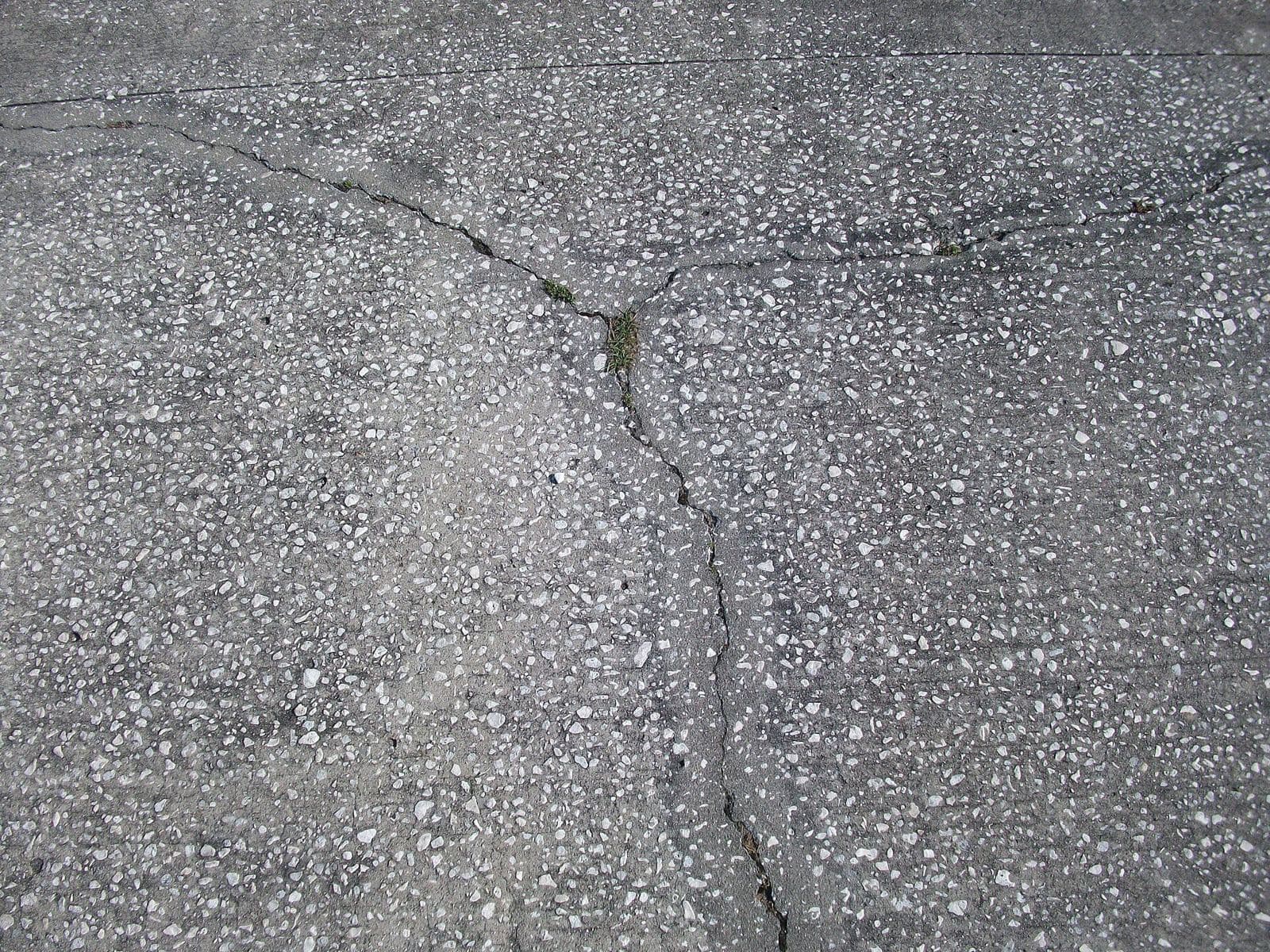
Neither finish cracks less than the other. Cracking comes from shrinkage, the base and the joints, not the surface texture. What changes is how obvious a crack is: a hairline crack across a broom finish reads as a clear line, while on exposed aggregate it disappears into the stone. Why concrete driveways crack explains what causes it and which cracks matter.
The footpath crossing is usually plain
If the driveway runs to the kerb, the section between your boundary and the road is council land, and many Sydney councils only accept plain concrete there. A decorative driveway normally stops at the boundary, and the crossing is poured in plain broom-finished concrete. Some examples from council policies:
Northern Beaches Council
All Northern Beaches Council rules →- Council's standard for vehicle crossings is full-width plain concrete. Asphalt, pavers, coloured, exposed aggregate, pebblecrete, stencilled and stamped concrete are no longer approved on the road reserve.Source: Northern Beaches Council: driveway and vehicle crossings
Fairfield City Council
All Fairfield City Council rules →- Council specifies plain concrete for crossings, in a wood float, trowel or broom finish, so repairs match. Pavers aren't authorised on crossings, and council won't colour- or pattern-match a decorative crossing if it has to dig it up.Source: Fairfield Policy 0-088, clauses 10–12
Willoughby City Council
All Willoughby City Council rules →- The crossing must be built in plain concrete with a broom finish, at right angles to the kerb, with no splays between the layback and the boundary.Source: Willoughby Vehicle Crossing Guidelines, Other requirements
Check your own council's rules before settling on a design. Our crossover guide explains the approval process.
Which one should you choose?
- Exposed aggregate suits a driveway that's a big part of the front of the house, a car that's parked outside instead of in a garage, or an old slab that was always stained.
- Broom finish suits a tight budget, a steep driveway, a driveway mostly hidden down the side of the house, or an owner who doesn't want to reseal every few years.
- A mix of broom-finished panels with exposed aggregate borders gives some of the look for less.
What would your job cost?
Enter your size, finish and site conditions for an instant estimate, built from the same rates as the figures in this guide.
Common questions
Is exposed aggregate more slippery than broom-finished concrete?
Not on its own. Exposed aggregate made with small, rounded pebbles grips well and is comfortable underfoot. It gets slippery when it's finished with a high-gloss sealer that has no anti-slip additive. On a sloping driveway, ask for crushed (angular) stone and grit in the sealer.
Can an existing plain driveway be turned into exposed aggregate?
Not by treating the old surface. The stones have to be in the fresh concrete, so getting the look means pouring a new slab. Coatings that imitate stone are available, but they sit on top of the old concrete and wear differently.
Related services
Sources
Prices in this guide come from our concrete price calculator and update when its rates are reviewed. They are estimates, not fixed quotes: the final price is confirmed at a free site inspection. Council rules were checked against each council's published policy and can change, so confirm with your council before you build.