Shrinkage causes most cracks
Fresh concrete holds more water than the cement needs to harden. As the spare water evaporates over the following months, the slab shrinks, by a few millimetres over every ten metres or so. The ground underneath grips the slab and resists that movement, and when the pull is more than young concrete can take, it cracks.
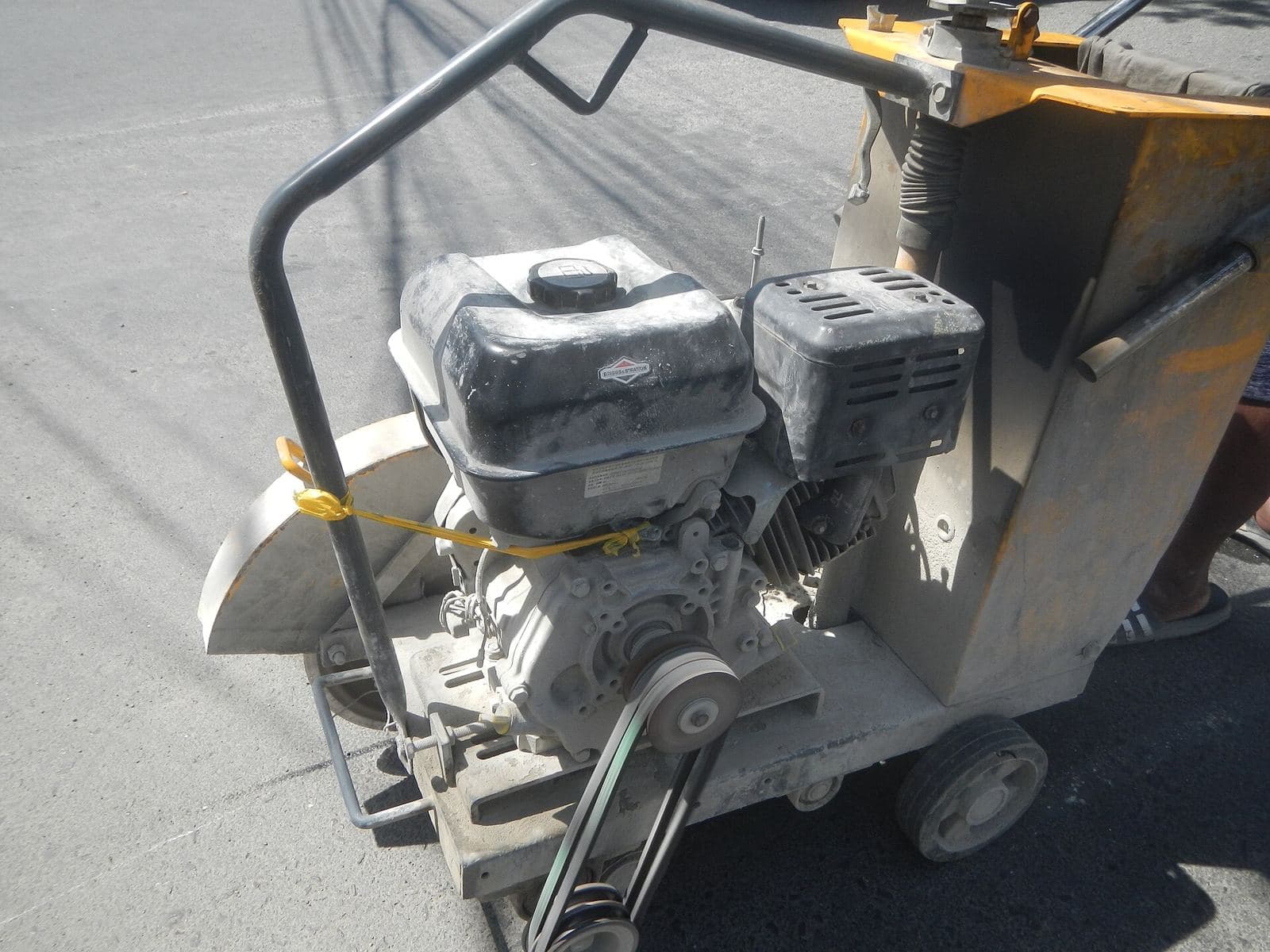
Control joints are planned weak lines: sawn, tooled into the wet concrete, or formed with a plastic or metal insert. The crack forms at the base of the joint, where you don't see it. CCAA's guidance for residential driveways and paths is control joints no more than 3 metres apart, at changes in shape or direction, and around rigid objects like pits, with panels kept roughly square: no more than one and a half times as long as they are wide.
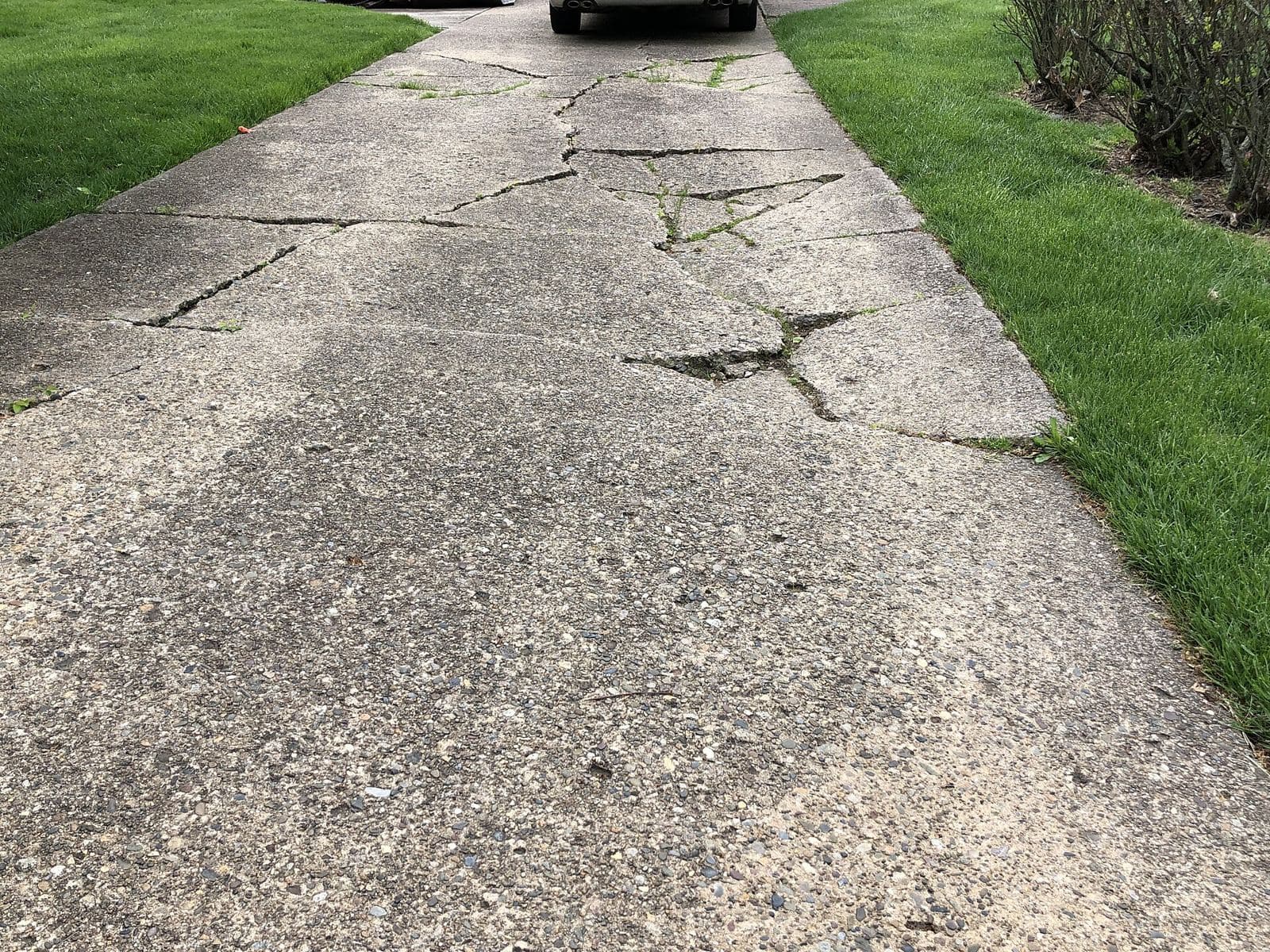
When joints are left out, spaced too far apart or sawn too late, the slab picks its own crack lines. Sawn joints have to go in early. CCAA suggests within about 12 hours of finishing when it's above 25°C, and 16 to 18 hours in cooler weather.
The common types of crack
Plastic shrinkage cracks
Short, shallow cracks, often roughly parallel, that appear within hours of finishing on hot, dry or windy days, when the surface lost water faster than it could bleed up from below. They're usually cosmetic, but they show the slab wasn't protected while it was being finished.
Drying shrinkage cracks
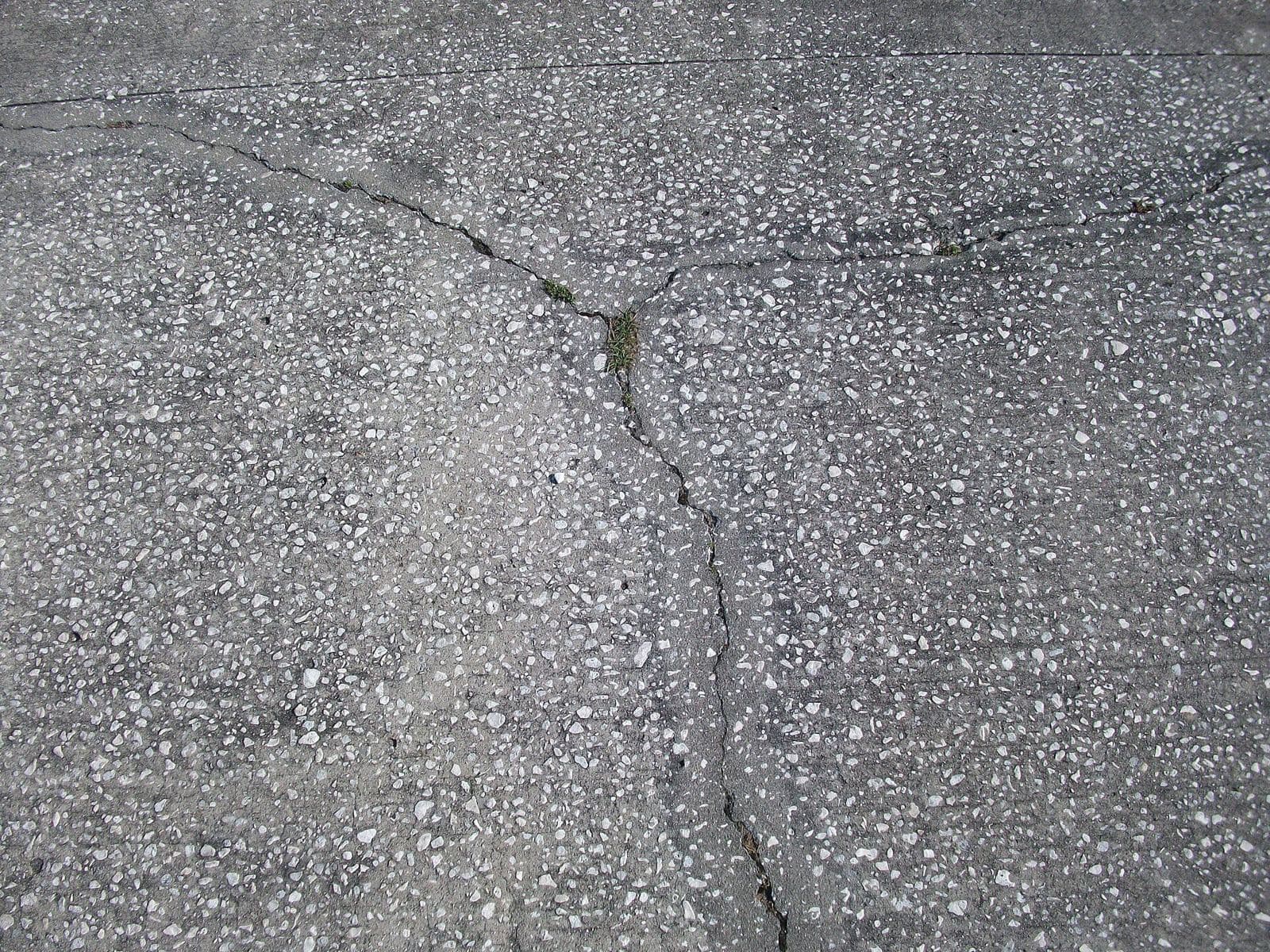
Straight cracks across a panel, usually appearing months after the pour, in slabs with too few joints. Mesh holds them tight, so they stay fine.
Re-entrant corner cracks
Diagonal cracks running from an inside corner, such as where the driveway steps around a garden bed or meets a stormwater pit. A joint at the corner prevents most of them.
Settlement and heave cracks
Wider cracks with one side higher or lower than the other. These come from the ground: a soft or poorly compacted base, a backfilled service trench settling, reactive clay swelling and shrinking, or tree roots lifting the slab. They tend to grow.
Which cracks to worry about
| What you see | Likely cause | What to do |
|---|---|---|
| Hairline crack, both sides level | Shrinkage | Nothing, or fill it with flexible sealant to keep out water and weeds |
| Crack along a control joint | The joint doing its job | Nothing |
| Crack that keeps getting wider | Ongoing ground movement | Find the cause: drainage, a leaking pipe, a tree or reactive clay |
| One side higher than the other | Settlement, heave or roots | It's a trip hazard; grind it or replace the panel |
| Panel rocking or sinking | Base washed out or never compacted | Replace the panel and fix the base |
How good practice keeps cracking down
- Topsoil stripped, and soft spots dug out and replaced with compacted road base. CCAA warns against assuming the slab will bridge weak ground.
- A non-reactive sub-base, typically 100mm, on expansive clay to steady the moisture in the soil.
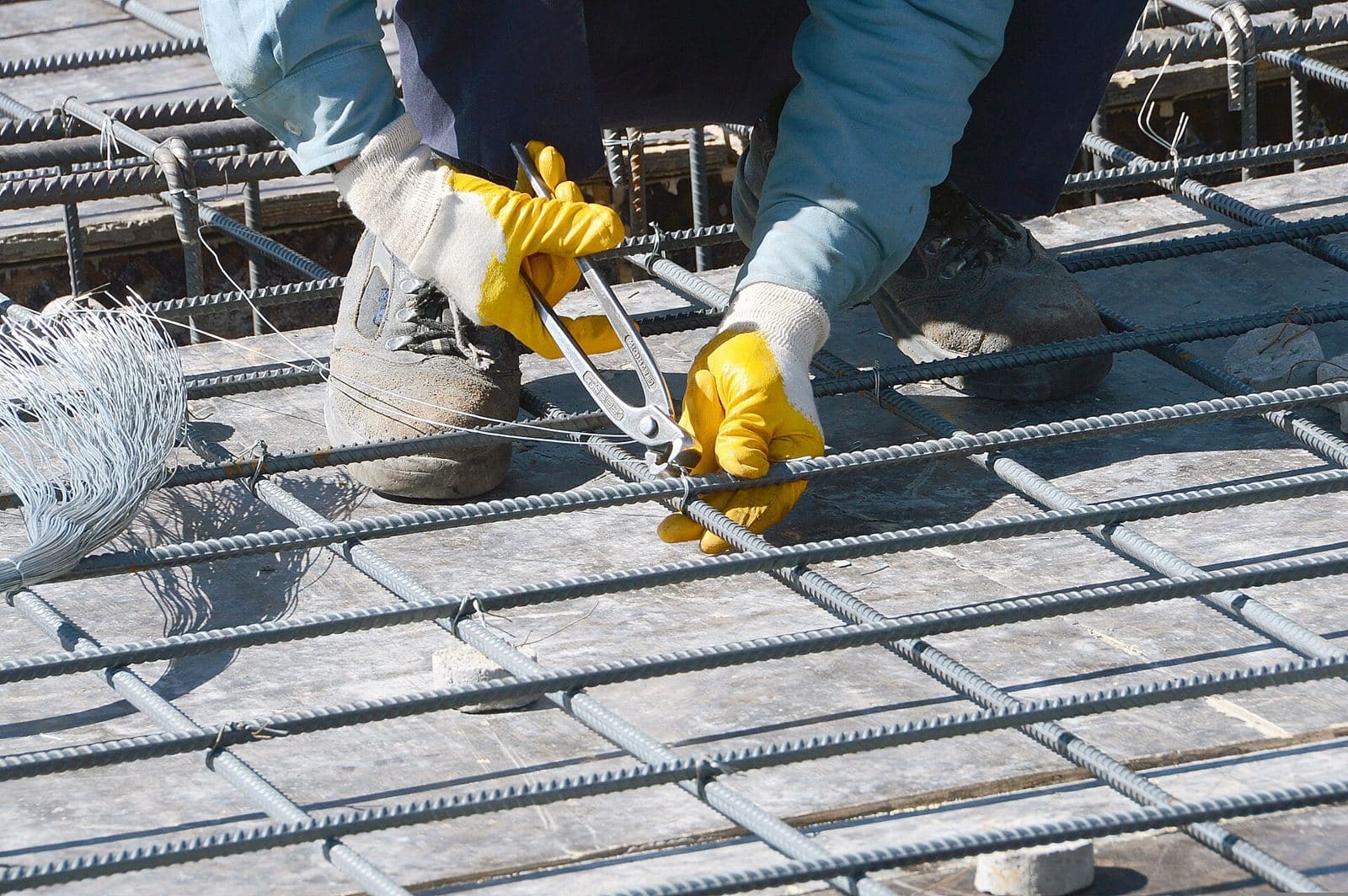
- Mesh on bar chairs in the top half of the slab with at least 30mm of concrete over it. Mesh trodden into the dirt does nothing.
- Control joints planned before the pour, not guessed on the day.
- Isolation joints wherever the driveway meets the house, the garage slab, pits or an existing path.
- No water added at the truck to make the concrete easier to spread. Extra water lowers strength and increases shrinkage.
- Proper curing for at least the first 3 days.
- No heavy vehicles for 28 days.
Mesh isn't there to stop cracks forming. It keeps the ones that do form tight: see mesh or rebar.
Repairing cracks
Fine cracks can be opened up slightly and filled with a polyurethane or silicone sealant, which stays flexible as the slab moves. Rigid fillers like mortar tend to crack out again. Where a panel has dropped or lifted, the lasting fix is to saw-cut it out between joints, sort out the base and repour it. On older driveways with cracks across many panels, a replacement is often better value than repeated patching: see resurface or replace.
Planning a concrete job?
Get your personalised quote from a vetted, licensed concreter near you.
Common questions
Is it normal for a new concrete driveway to crack?
Fine shrinkage cracks, especially along or near control joints, are normal in the first year. Cracks wider than a couple of millimetres, or with one side higher than the other, are not, and should be looked at by whoever poured it.
Does sealing concrete stop it cracking?
No. A sealer protects the surface from stains and water but does nothing about shrinkage or ground movement. On decorative finishes it can make fine cracks less noticeable.
Sources
Prices in this guide come from our concrete price calculator and update when its rates are reviewed. They are estimates, not fixed quotes: the final price is confirmed at a free site inspection. Council rules were checked against each council's published policy and can change, so confirm with your council before you build.