Check the slab first
Walk the driveway after rain and look for:
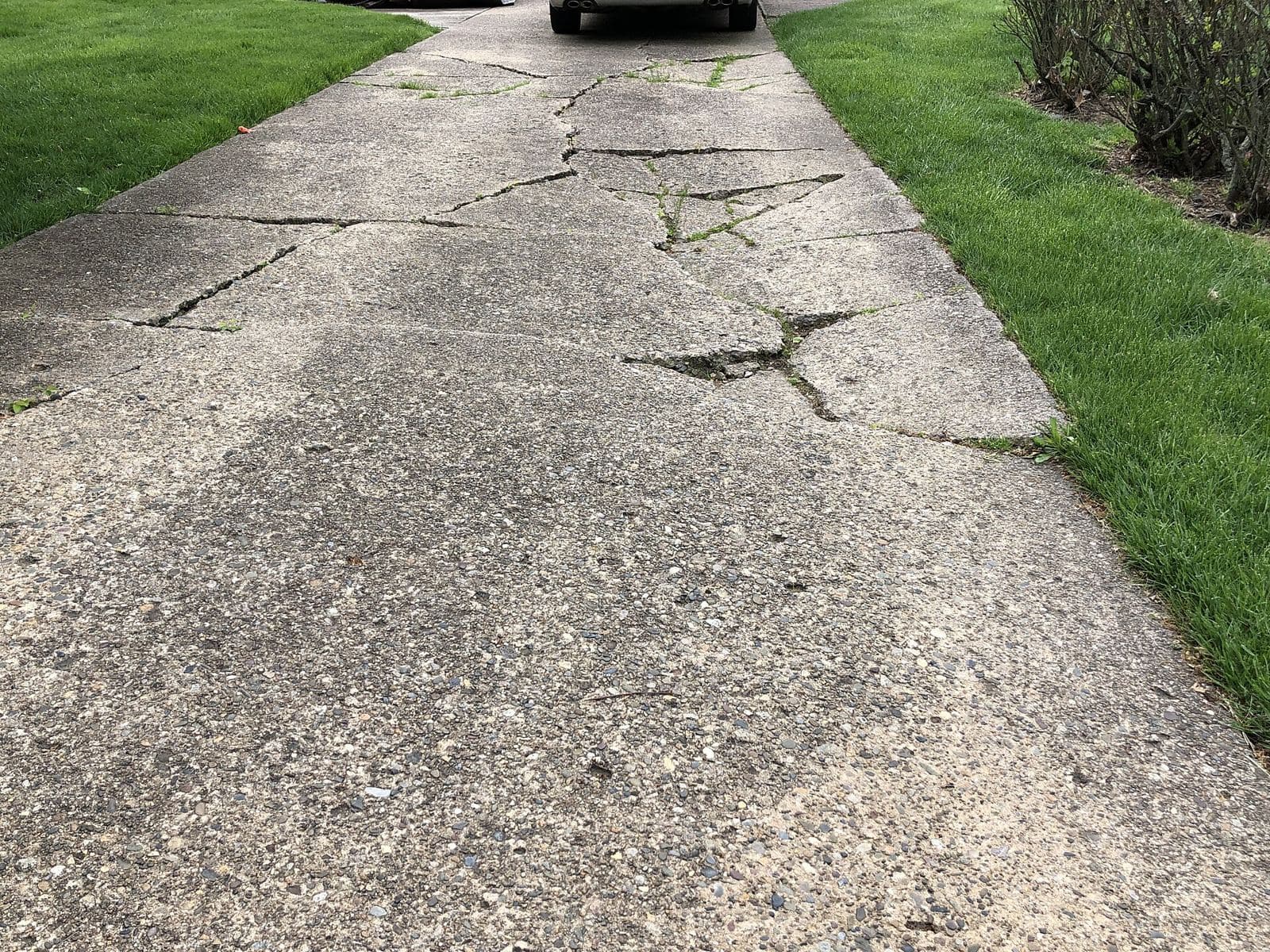
- Level changes at cracks or joints, where one side sits higher. That's a trip hazard and a sign of ground movement.
- Panels that rock or sound hollow when tapped.
- Puddles that hang around. CCAA's benchmark for paving is no ponding deeper than 10mm, 15 minutes after rain stops.
- Water running towards the house or garage instead of away from it.
- Tree roots lifting edges, or a tree close enough that they will.
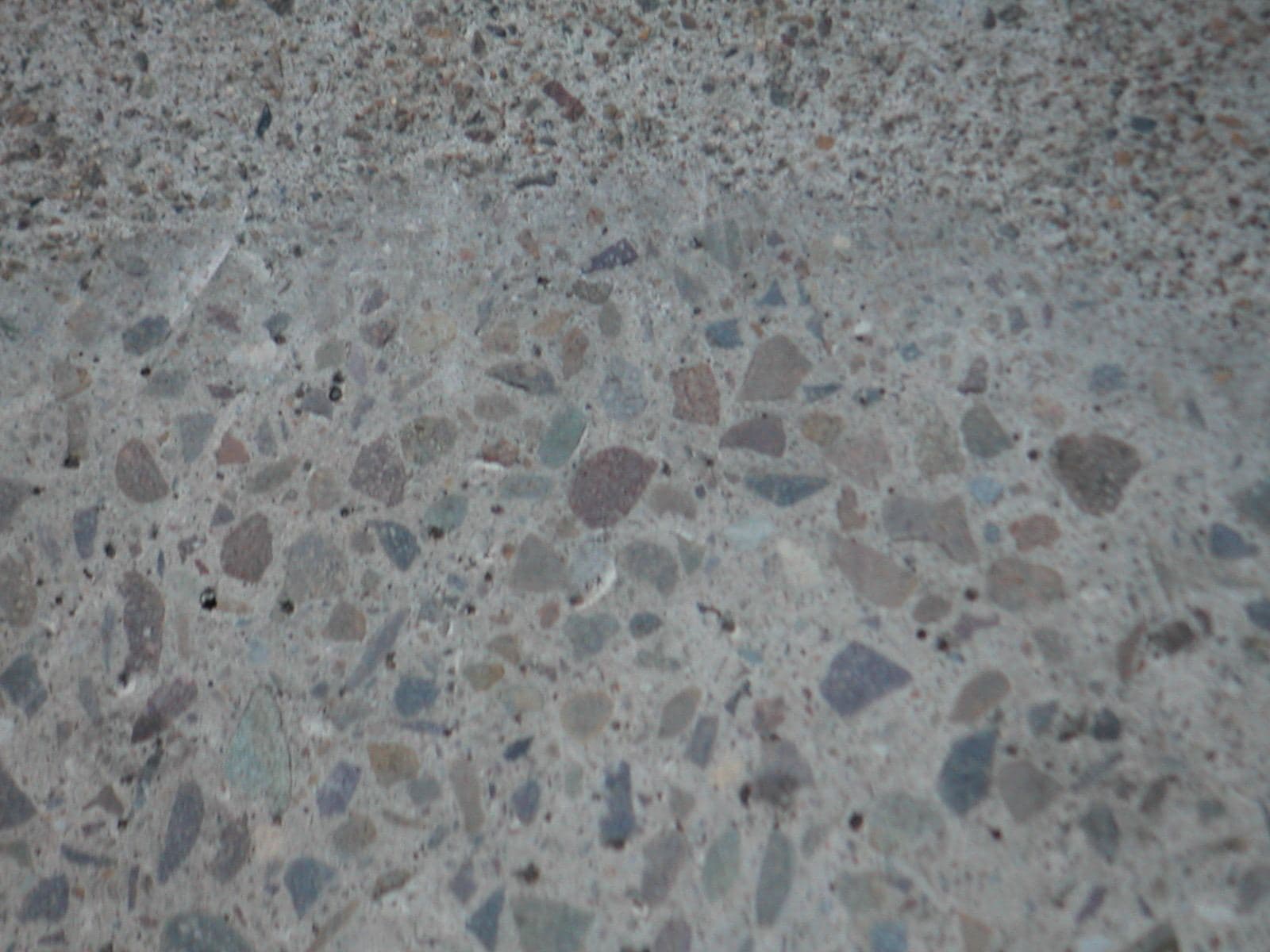
- Surface wear: dusting, flaking or exposed stones on an old plain finish.
Surface wear on its own is cosmetic. Everything else on that list is about the base or the levels, and no coating fixes those.
Option 1: clean and seal
A professional pressure clean, oil-stain treatment and a fresh sealer can make a sound driveway look years younger for a fraction of the cost of replacing it. It suits broom and exposed aggregate driveways that are structurally fine but stained or faded. Our sealing guide compares the sealer types.
Option 2: resurface
Resurfacing puts a thin layer over the existing slab, usually a polymer-modified cement overlay a few millimetres thick. It can be sprayed, troweled or stencilled for a new texture and colour, and nothing has to be broken out. It works on slabs that are sound and stable. It won't fix cracks caused by movement, which reflect straight through the new surface, and it can't change the levels or the drainage.
Paint and tinted sealers are the cheapest option and the shortest-lived. On a driveway they wear in the wheel tracks and can peel where water gets underneath.
Option 3: replace sections
If the damage is confined to one or two panels, such as a sunken section over an old trench or a corner lifted by a root, those panels can be saw-cut out along the joints, the base fixed and new concrete poured. It costs less than a full replacement, but the new panels won't match the old ones in colour, and on decorative finishes the patch is obvious.
Option 4: replace the driveway
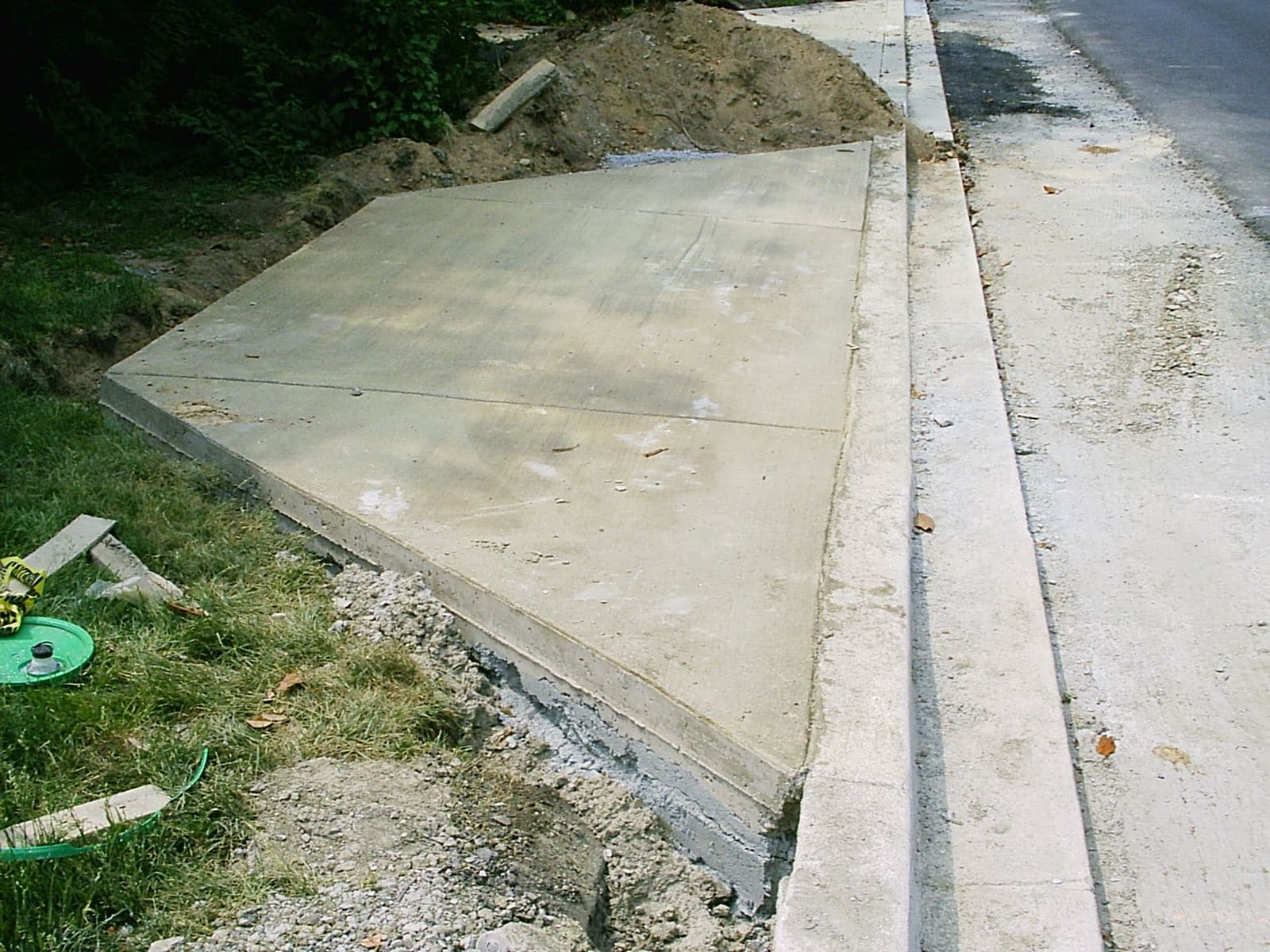
Full replacement is the only real fix when problems are widespread, when you want to change the levels, width or drainage, or when the crossover needs rebuilding anyway. It's also the only way to change the finish properly.
| 40m² driveway | Total incl. GST |
|---|---|
| New driveway on bare, level ground | $8,100–$8,800 |
| Break out old plain concrete, minor levelling | $11,300–$14,250 |
| Break out old reinforced concrete, minor levelling | $12,800–$16,450 |
| Break out old concrete plus a 100–300mm cut | $12,550–$16,450 |
| Break out old concrete, stamped replacement | $15,000–$17,950 |
Breaking out the old slab is what separates a replacement from a new driveway. The concrete has to be broken up, loaded and trucked to a recycler, and reinforced slabs take longer to break. Tight access, where a bobcat can't get in, adds more again.
Approvals for a replacement
On your own land, a like-for-like driveway is often exempt development in NSW, with exclusions:
NSW-wide
- A driveway, hardstand or paving on your own land is exempt from planning approval only if it isn't in a heritage conservation area, on a heritage item, in a foreshore or environmentally sensitive area, drains to an existing stormwater system, and is built to AS/NZS 2890.1. Otherwise it needs a DA or CDC.Source: NSW Codes SEPP, exempt development: driveways, pathways and paving
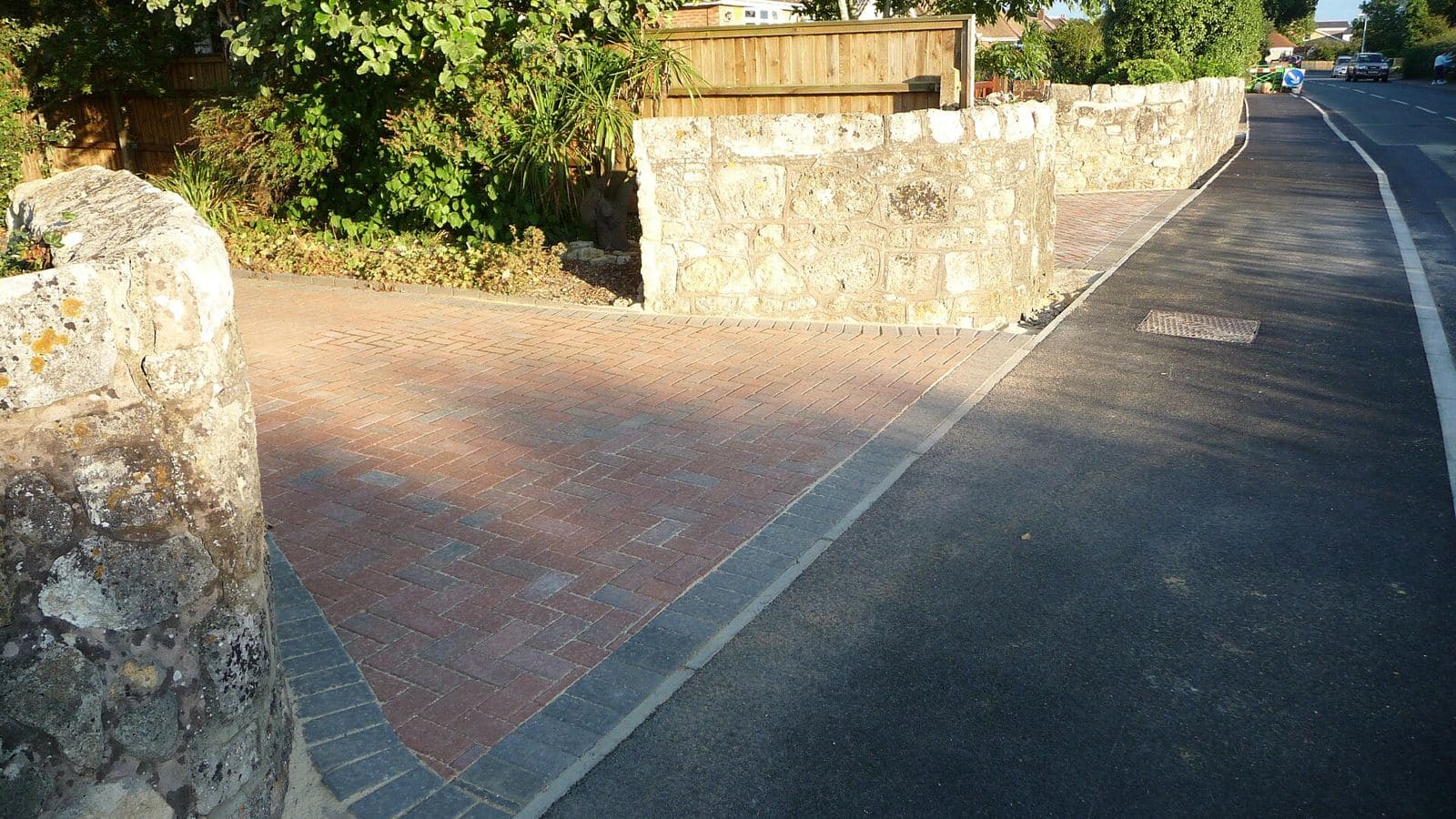
The crossover is different. Work between your boundary and the kerb needs council approval, including repairs and replacements. See driveway crossovers in Sydney for how that works.
What would your job cost?
Enter your size, finish and site conditions for an instant estimate, built from the same rates as the figures in this guide.
Common questions
How long does a concrete driveway last?
A well-built driveway on a good base can last many decades. Most are replaced because the base has failed, roots have lifted them or the owner wants a new look, not because the concrete has worn out.
Can new concrete be poured over an old driveway?
Sometimes, as a bonded topping over a sound slab, but it raises the level, which causes problems at the garage, the house and the crossover, and it carries the old slab's cracks through. In most cases it's better to break the old slab out.
Sources
- Cement Concrete & Aggregates Australia, Residential Concrete Driveways and Paths data sheet (2026)
- NSW Planning Portal, exempt development: driveways, pathways and paving
Prices in this guide come from our concrete price calculator and update when its rates are reviewed. They are estimates, not fixed quotes: the final price is confirmed at a free site inspection. Council rules were checked against each council's published policy and can change, so confirm with your council before you build.