The real difference is underneath
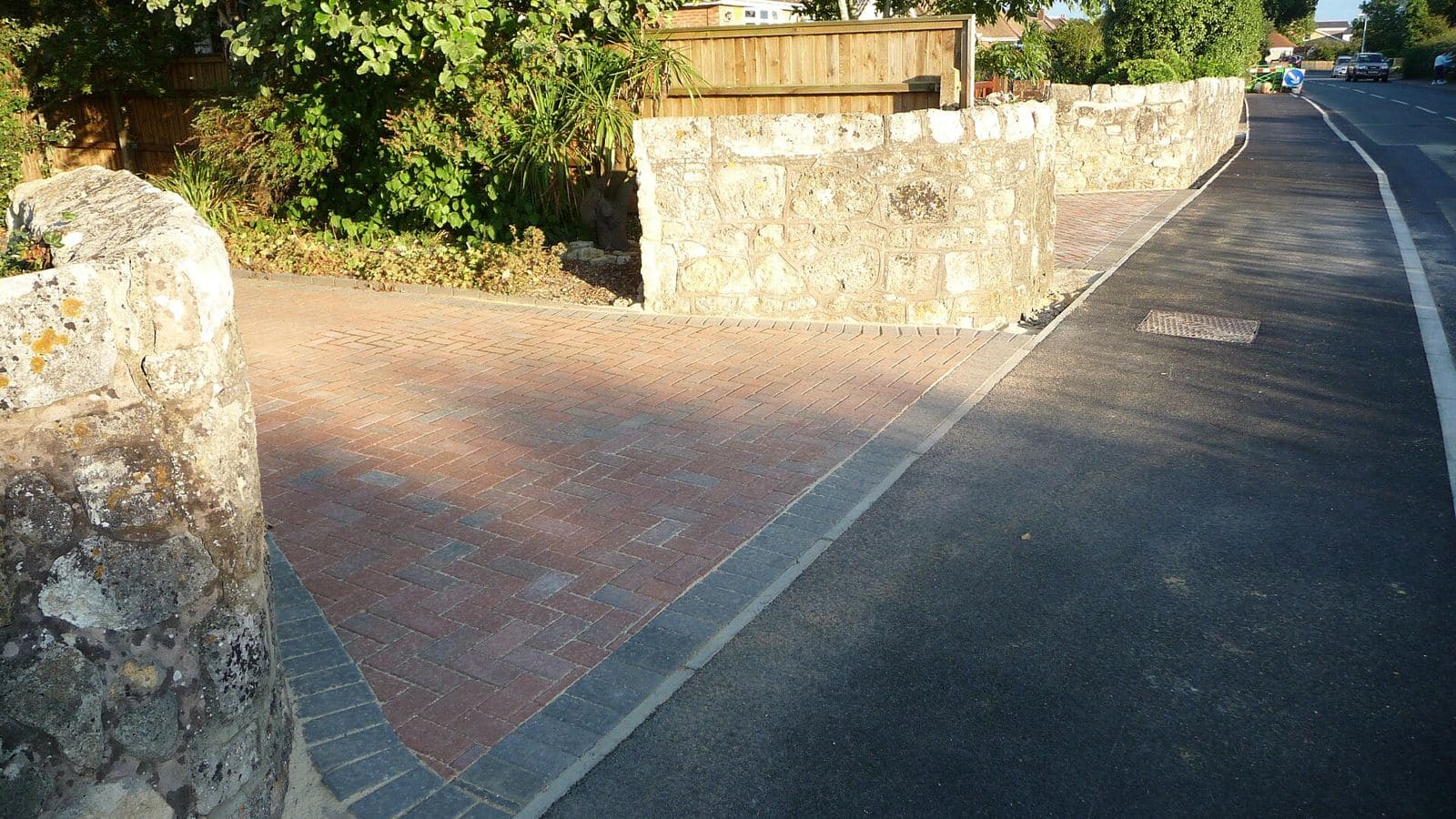
A concrete driveway is a reinforced slab that spreads a car's weight over a wide area, so it copes with small soft spots in the ground. Pavers are individual units on a bed of sand, and each one carries its load straight down. That makes the base under a paved driveway more critical: it needs a deep layer of compacted road base, a screeded sand bed and solid edge restraints so the outer rows can't creep.
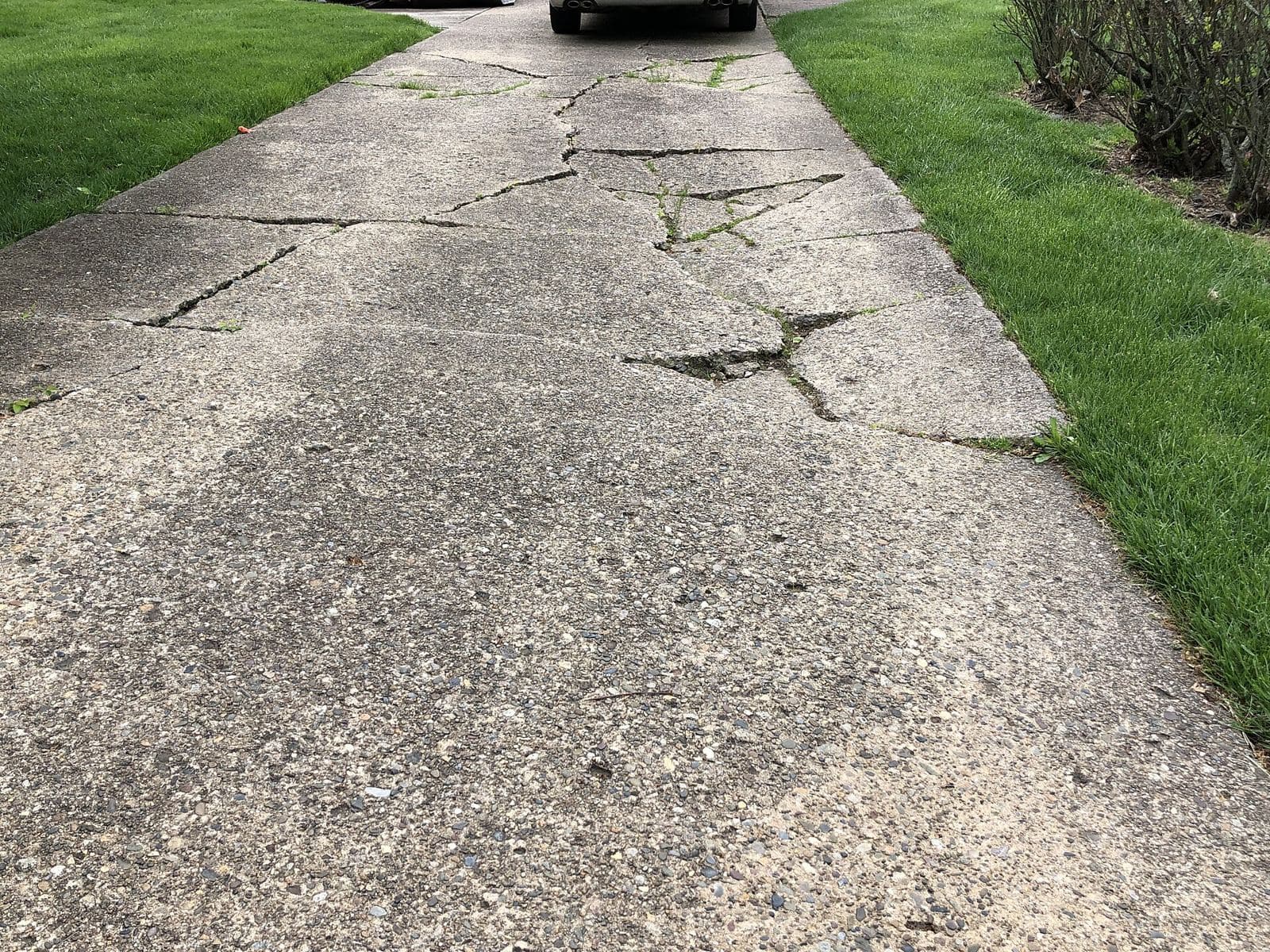
When a paved driveway fails, the base is usually why. It shows up as dips in the wheel tracks, pavers rocking underfoot and edges spreading into the garden. A concrete slab on a poor base fails differently, by cracking, and is harder to fix in patches.
Cost
For a 40m² double driveway on a level site, a broom-finished concrete slab is $8,100–$8,800 including GST on our calculator, with base preparation, mesh and clean-up included. We don't price pavers, so we won't put a figure on them, and the cost depends heavily on which paver you choose. Plain concrete pavers on a sand bed can come in close to a concrete slab, while clay pavers, natural stone and permeable systems usually cost more. The fair comparison is to get both quoted on the same base preparation and excavation, because that's where quotes differ most.
Replacing old pavers with concrete adds removal and cart-away. On the calculator, lifting the pavers and levelling the ground takes the same 40m² driveway to $10,350–$12,750.
Maintenance and weeds
- Pavers need joint sand topped up as it washes out, and weeds and ants move into the joints. Polymeric jointing sand helps for a while.
- Concrete has a handful of control joints instead of hundreds of paver joints. It needs an occasional pressure wash, and resealing if it's coloured or decorative.
- Oil stains soak into both. A stained paver can be swapped out; a stained slab has to be cleaned.
Repairs
Repairs are the strongest argument for pavers. If a tree root lifts a section or a plumber needs to dig up a pipe, pavers can be lifted, the base fixed and the same pavers relaid with almost no trace. Concrete has to be saw-cut and patched, and the new section rarely matches the old in colour. If there's a sewer line, stormwater pipe or big tree under the driveway, weigh that up.
Stormwater and council rules
Some Sydney councils want driveways to let rain soak into the ground instead of running into the street. In the former Marrickville council area and in Woollahra, for example, the rules favour porous or semi-porous driveway surfaces where the ground allows:
Inner West Council (former Marrickville area)
All Inner West Council (former Marrickville area) rules →- Large expanses of concrete driveway are not permitted, and driveways must be designed to let stormwater soak in on site, for example sealed wheel strips with a grass strip down the middle.Source: Marrickville DCP 2011, 4.1.7.4 C27, C30
- Where parking can't go at the side or rear, council may in limited cases allow a semi-pervious hardstand in front of the house, 600mm clear of the side fence, if it doesn't significantly affect the front garden.Source: Marrickville DCP 2011, 4.1.7 C18
Woollahra Municipal Council
All Woollahra Municipal Council rules →- Driveway width must be kept to the minimum needed to meet the Australian Standards, and semi-porous surfaces are used for uncovered parking and driveways where soil and drainage allow.Source: Woollahra DCP 2015, B3.6 C9, C11
Permeable pavers are one way to meet that. Concrete can too: two concrete wheel strips with grass or gravel between them use far less hard surface than a full-width slab, and permeable concrete is available for larger areas.
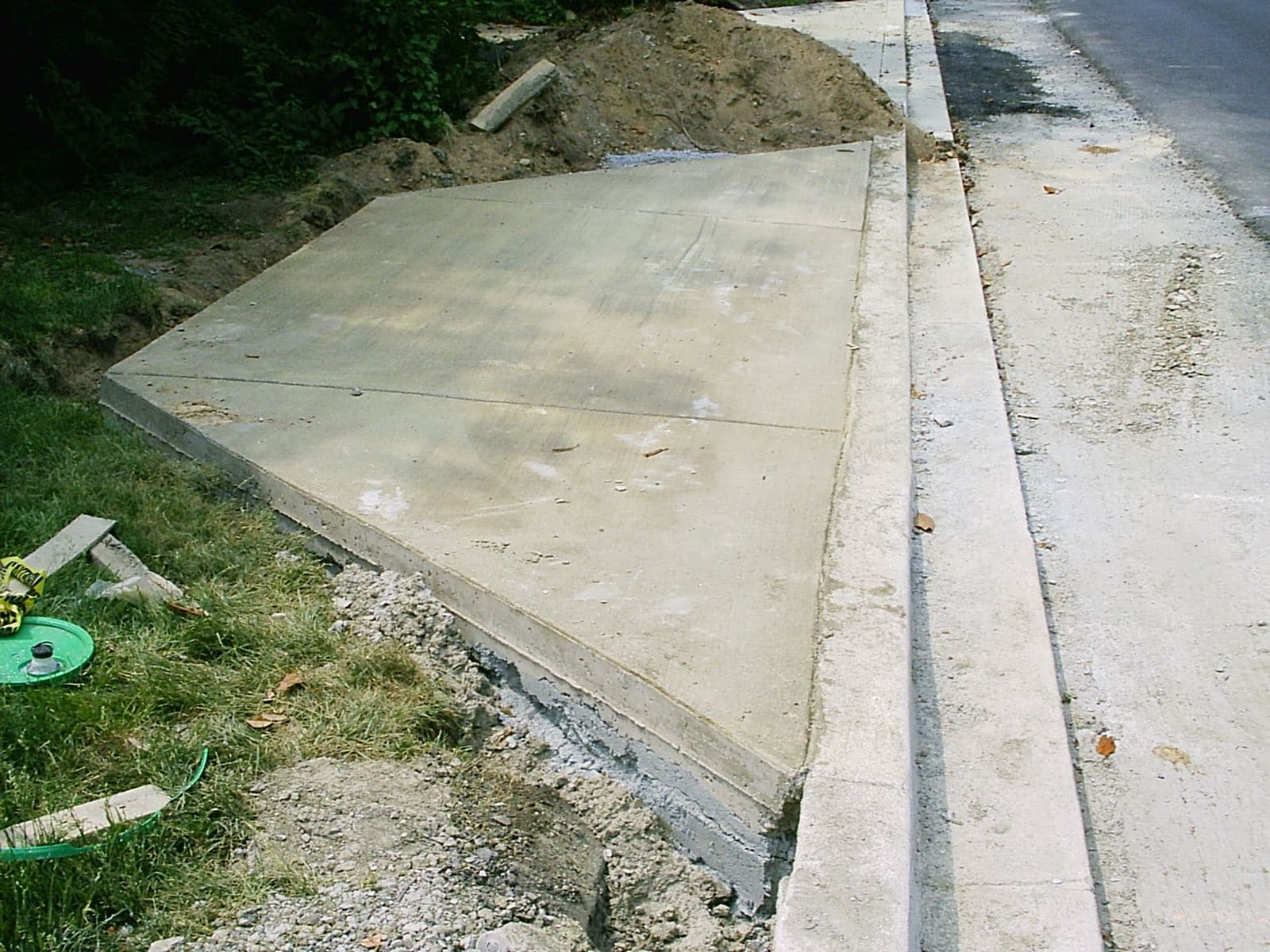
Either way, the section across the footpath is a separate matter. Councils set the material for the crossing, and many accept only plain concrete. See our guide to driveway crossovers.
What about stamped concrete?
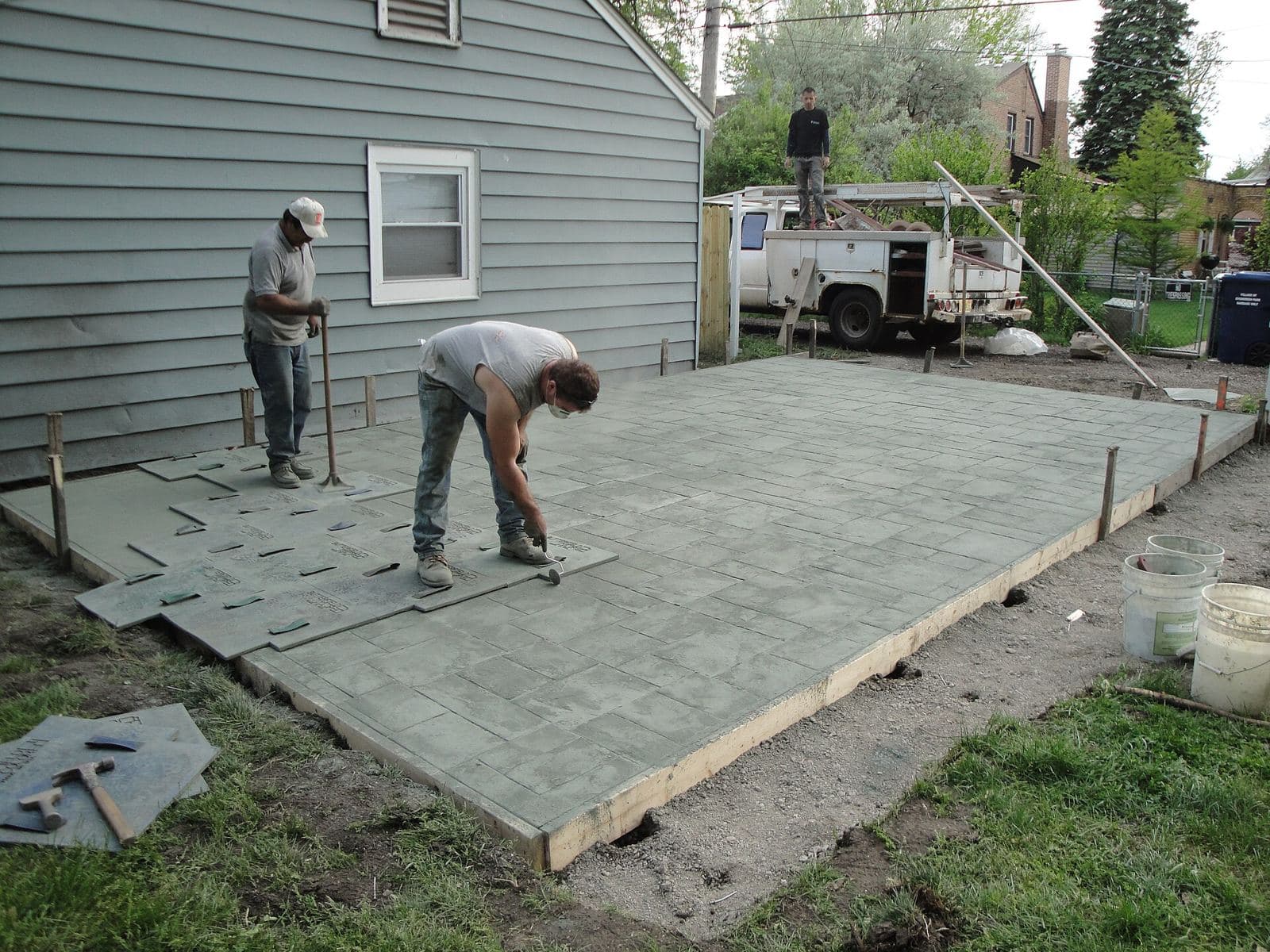
Pattern-imprinted concrete sits in between: one slab, stamped to look like pavers or stone while it's still soft. It has no joints for weeds, but it needs resealing every few years and repairs are hard to colour-match. Our post on stamped concrete pros and cons goes through it.
Side by side
| Concrete slab | Pavers | |
|---|---|---|
| Base | Compacted road base; the slab bridges small soft spots | Deeper base, sand bed and edge restraints; less forgiving |
| Weeds and ants | Only at control joints | In every joint unless re-sanded |
| Repairs | Saw-cut and patch; colour rarely matches | Lift and relay the same pavers |
| Stormwater | Runs off unless built as strips or permeable concrete | Permeable pavers let water soak in |
| Upkeep | Pressure wash; reseal if coloured or decorative | Re-sand joints, weed, occasional relevelling |
What would your job cost?
Enter your size, finish and site conditions for an instant estimate, built from the same rates as the figures in this guide.
Common questions
Do pavers or concrete last longer on a driveway?
Both can last for decades. A concrete slab on a well-compacted base usually needs less attention over that time. Pavers last as long as their base and edge restraints hold, and cracked units can be replaced one at a time.
Can you pour concrete over old pavers?
It isn't a good idea. The pavers and their sand bed keep moving under the new slab, which then cracks along the old paver lines. Lift the pavers, check the base and compact it before pouring.
Related services
Sources
Prices in this guide come from our concrete price calculator and update when its rates are reviewed. They are estimates, not fixed quotes: the final price is confirmed at a free site inspection. Council rules were checked against each council's published policy and can change, so confirm with your council before you build.