What makes clay reactive
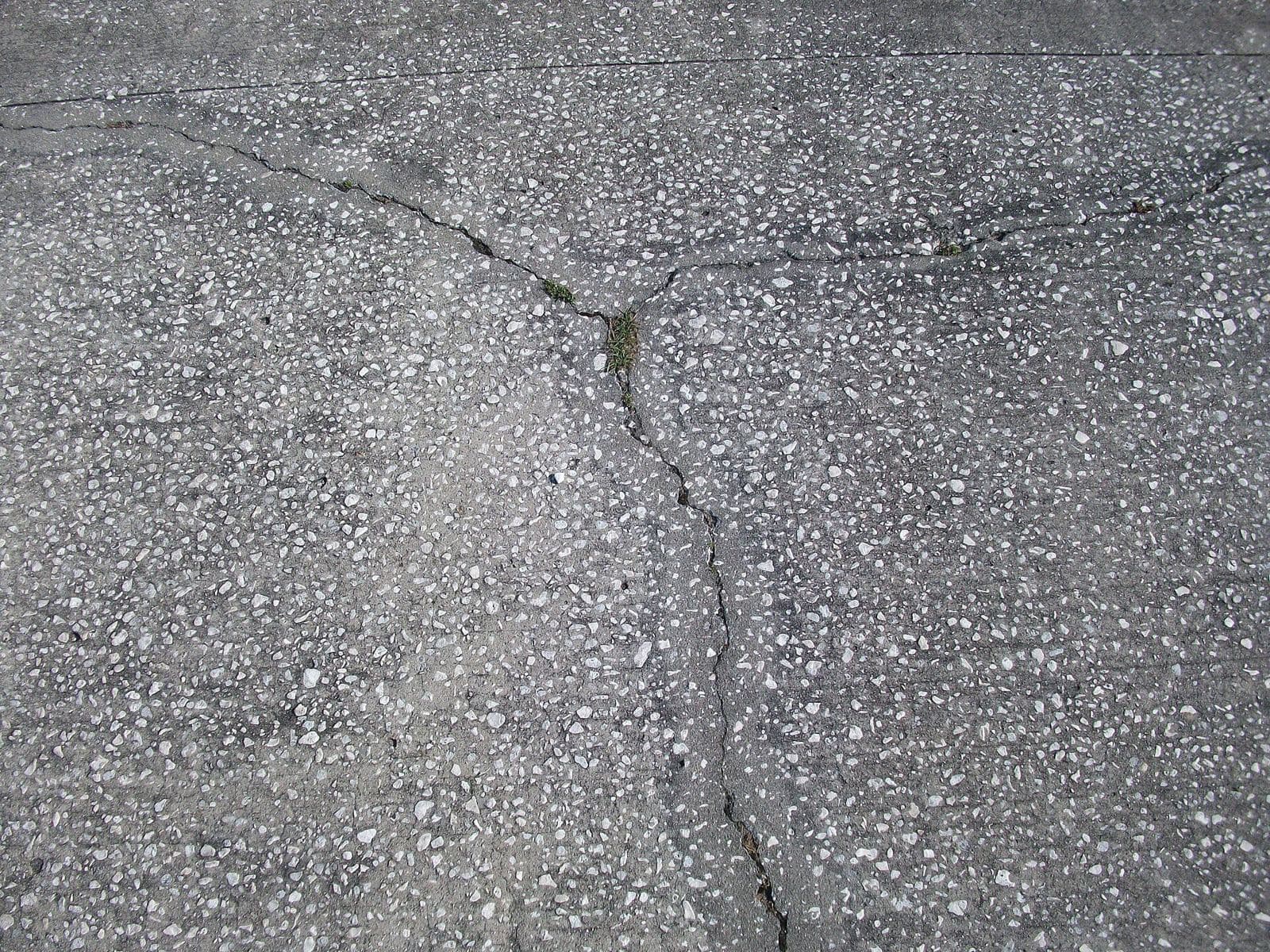
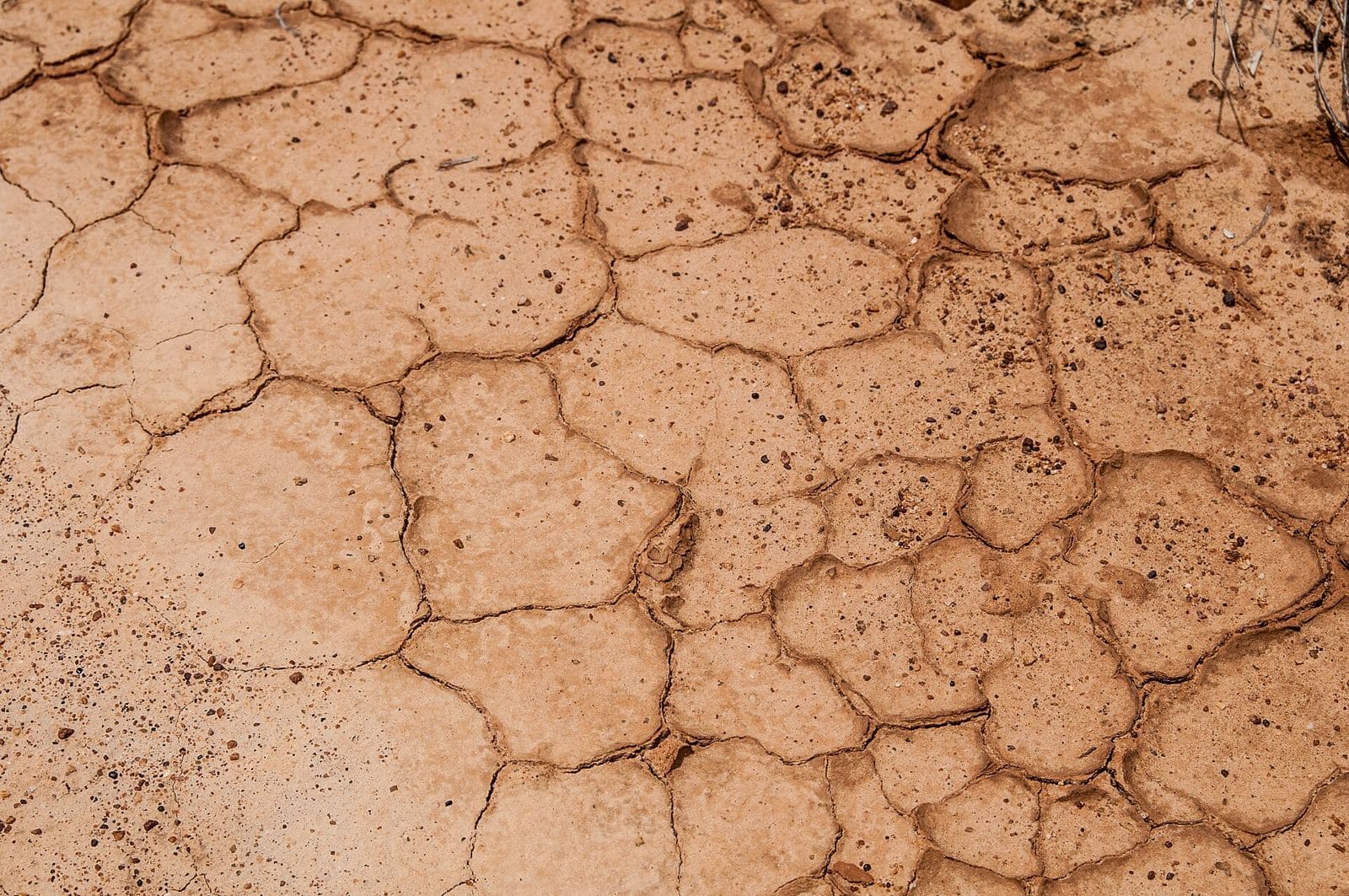
Clay particles are tiny and flat, and some clay minerals draw water into their structure. When the soil gets wet it swells, and in a dry spell it shrinks and cracks. The movement is greatest near the surface and around the edges of a slab, where moisture changes most. A long dry summer followed by heavy rain is the classic trigger for new cracks.
Sydney's ground, region by region
Sydney sits on two main rock types. Hawkesbury sandstone, under much of the coast, the Northern Beaches, Sutherland Shire and the North Shore gullies, weathers to sandy soil that barely moves. The Wianamatta shales across the Cumberland Plain, from the Inner West out to Penrith and Campbelltown, weather to clay, much of it reactive. How the ground varies across the regions we cover:
| Region | Typical ground |
|---|---|
| Inner Sydney | Old fill, clay and sand over shale |
| Eastern Suburbs | Sandstone headlands and coastal sand |
| Inner West | Reactive clay from Ashfield shale |
| North Shore | Shale clay ridges over sandstone gullies |
| Northern Beaches | Sandstone slopes and coastal sand flats |
| Western Sydney | Highly reactive clay from Bringelly shale |
| Hills District | Shale clay on rolling, sloping blocks |
| South Sydney | Botany Bay sands and Sutherland sandstone |
| South West Sydney | Reactive clay and new estate fill |
Ground can change within a single street, especially on the North Shore, where shale-capped ridges sit above sandstone gullies, and anywhere with old fill. A soil test is the only way to know what's under a particular block.
AS 2870 site classes
Australian Standard AS 2870 (Residential slabs and footings) sorts building sites into classes by how much the ground surface is expected to move as moisture changes. A geotechnical engineer assigns the class from a soil test, and the structural engineer designs the slab and footings to suit.
| Class | Ground | Expected surface movement |
|---|---|---|
| A | Mostly sand and rock | Little or none |
| S | Slightly reactive clay | Up to 20mm |
| M | Moderately reactive clay | 20mm to 40mm |
| H1 | Highly reactive clay | 40mm to 60mm |
| H2 | Highly reactive clay | 60mm to 75mm |
| E | Extremely reactive clay | More than 75mm |
| P | Problem sites: uncontrolled fill, soft ground, landslip risk, trees and similar | Needs specific engineering |
Sites on Western Sydney clay commonly come out as class M or H1. On those sites a house slab has deeper, stiffer edge beams so it can ride the movement without cracking the walls above.
House slabs versus driveways and paths
AS 2870 covers the slabs and footings that hold up buildings. Driveways, paths and patios aren't designed under it, so nobody calculates how much they'll move. They're thinner, lightly reinforced and sit exactly where moisture changes most, which is why they crack long before the house does.
They can still be built well on clay. CCAA's guidance for paving on expansive clay is a non-reactive sub-base, in most cases 100mm thick, to even out moisture under the slab, or stabilising the top layer of clay with lime or cement. Plastic sheeting or a thin sand layer under the slab cuts the friction between concrete and clay, which lowers the risk of cracking.
Moisture control does most of the work
Reactive clay only moves when its moisture changes, so the best protection is keeping it steady:
- Grade paving away from the house. The National Construction Code calls for at least 50mm of fall over the first metre, with the paving set below the house slab.
- Fix leaking taps, downpipes and stormwater pipes. A slow leak under a driveway can swell the clay beneath one corner.
- Keep big trees well away. Roots draw moisture out of clay and shrink it, and can lift slabs directly.
- Don't let garden beds against the slab stay soaked while the rest of the yard is dry.
- Put isolation joints where the driveway meets the house or garage so they can move separately.
Salinity on the Cumberland Plain
Parts of Western Sydney also have saline soil, where salts in the ground or groundwater attack concrete over time and leave white deposits on the surface. CCAA recommends stronger concrete as salinity increases (N25 for moderately saline soil, N32 for very saline and N40 for highly saline) plus a plastic membrane under the slab. Council salinity mapping or a soil test will tell you whether it applies.
What it means for your job
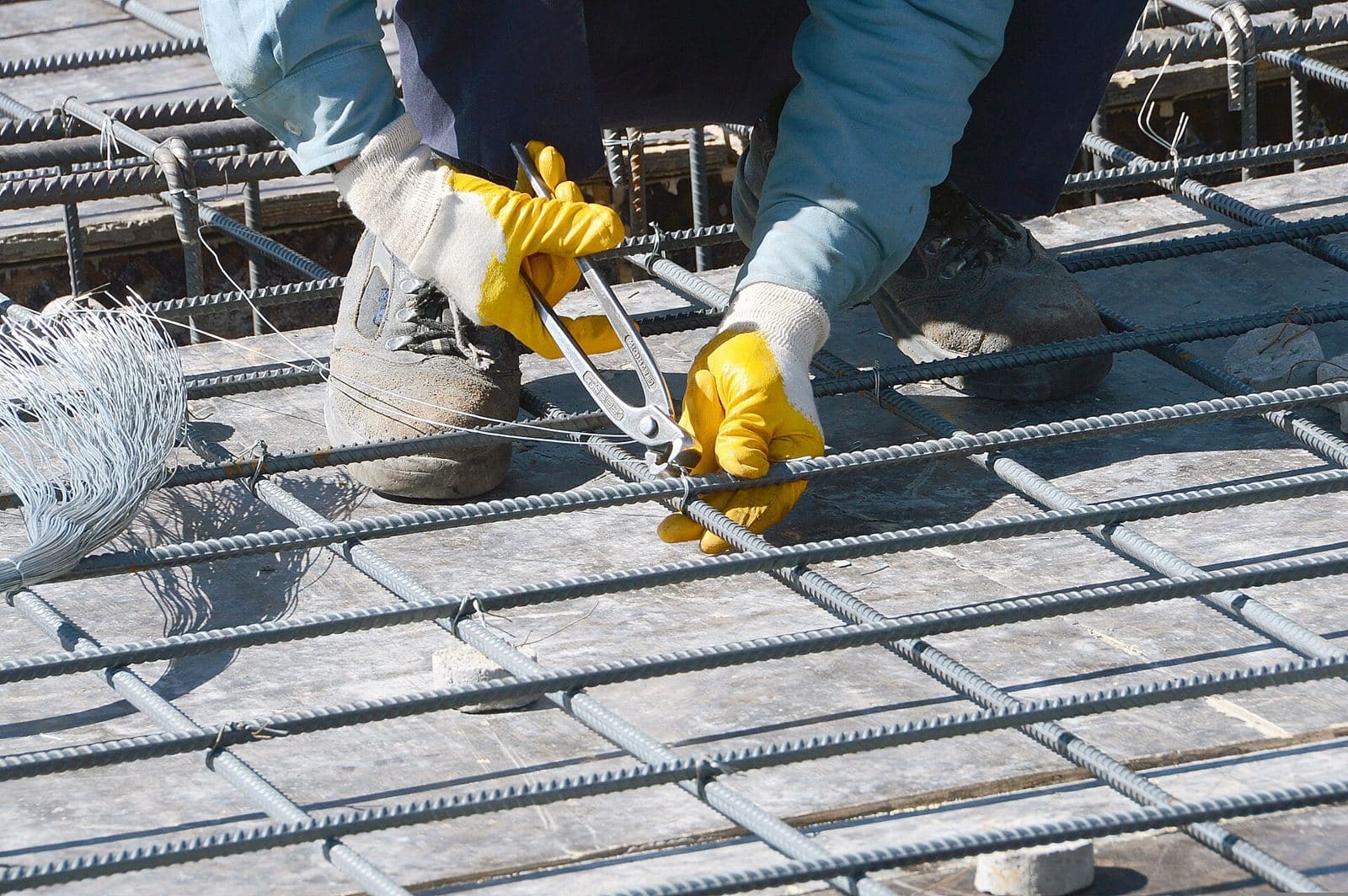
On a clay site, expect a proper quote to include stripping the topsoil, a compacted road base layer and mesh in every slab. Leaving those out saves money on the day and costs a driveway later. Every estimate from our price calculator includes base preparation; a 40m² driveway on a level block in the metro zone comes out at $8,100–$8,800.
What would your job cost?
Enter your size, finish and site conditions for an instant estimate, built from the same rates as the figures in this guide.
Common questions
How do I find out my site class?
A geotechnical engineer works it out from soil samples taken on the block. For a house built in the last few decades, the site class is often on the soil report or engineering drawings from the original build.
Does a driveway on reactive clay need thicker concrete?
Not usually. Thickness is set by the vehicles using it, 100mm for cars. On clay, money is better spent on the base, mesh, joints and drainage, which deal with ground movement, than on extra thickness.
Sources
Prices in this guide come from our concrete price calculator and update when its rates are reviewed. They are estimates, not fixed quotes: the final price is confirmed at a free site inspection. Council rules were checked against each council's published policy and can change, so confirm with your council before you build.