What the letters and numbers mean
Ready-mixed concrete in Australia is supplied under AS 1379. N stands for normal class: concrete the plant batches to its standard recipe for a set strength, and the number is that strength in megapascals (MPa) at 28 days. S grades are special class, ordered when you need something beyond strength, such as a particular aggregate, colour or setting time.
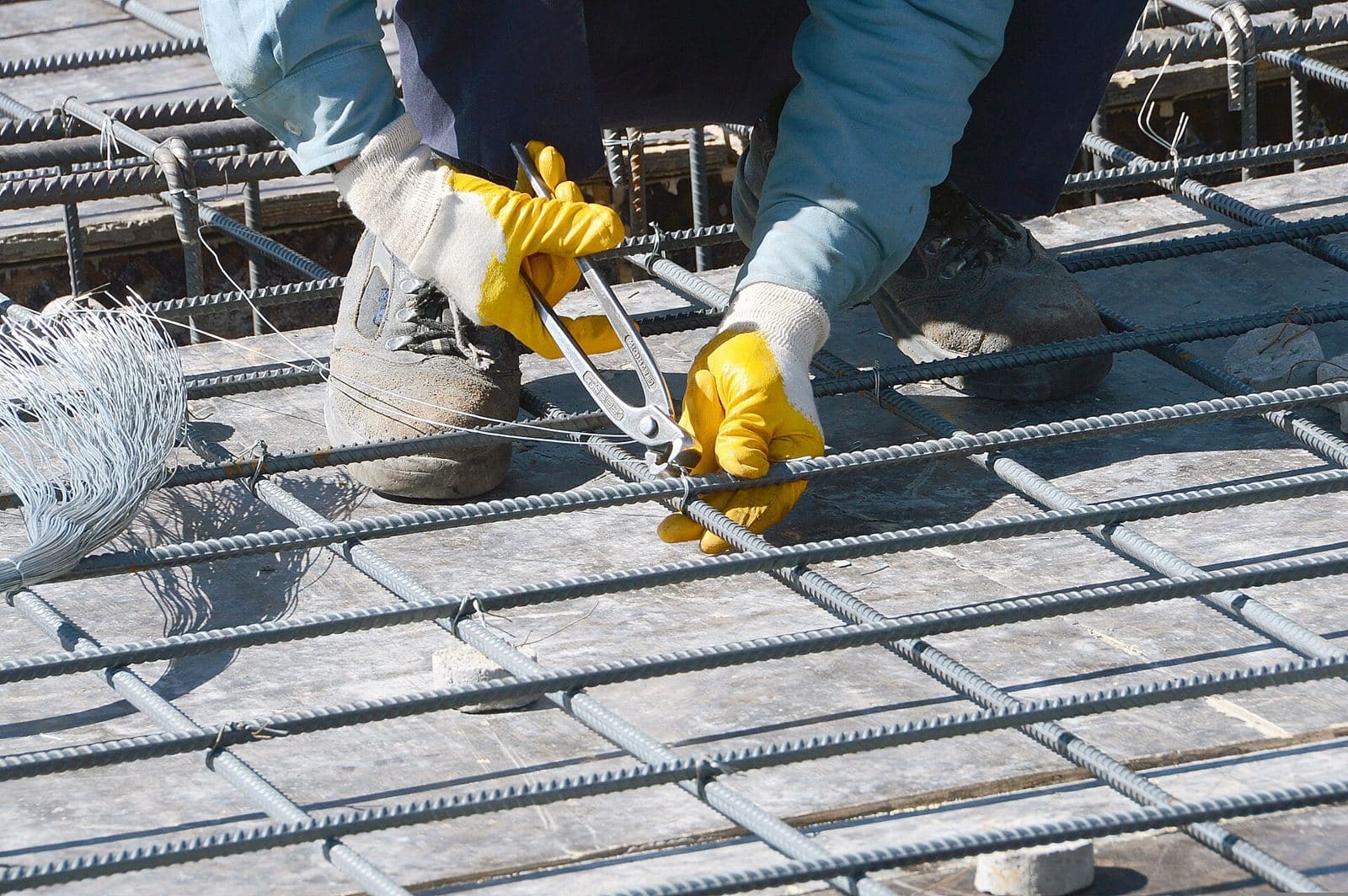
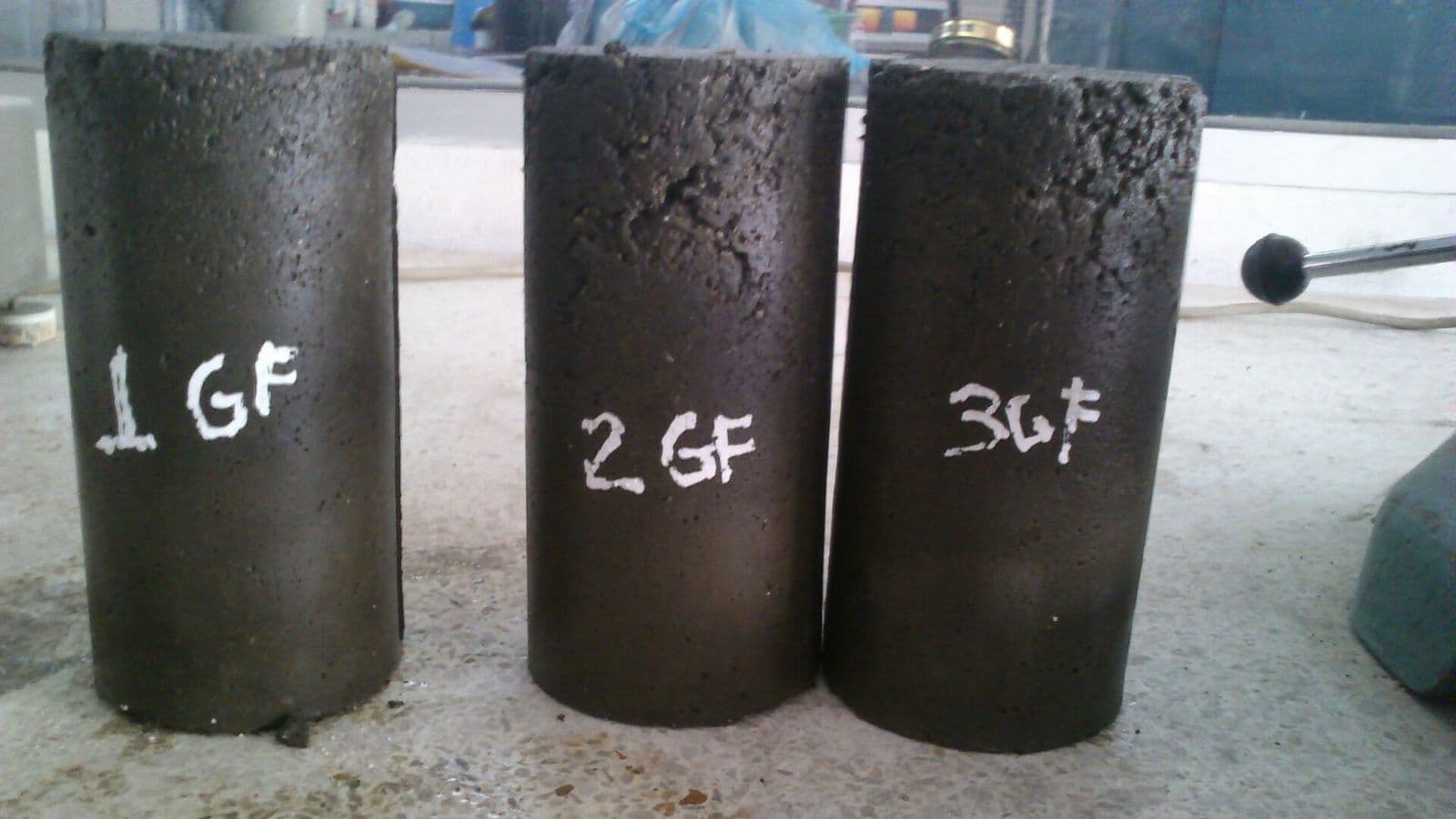
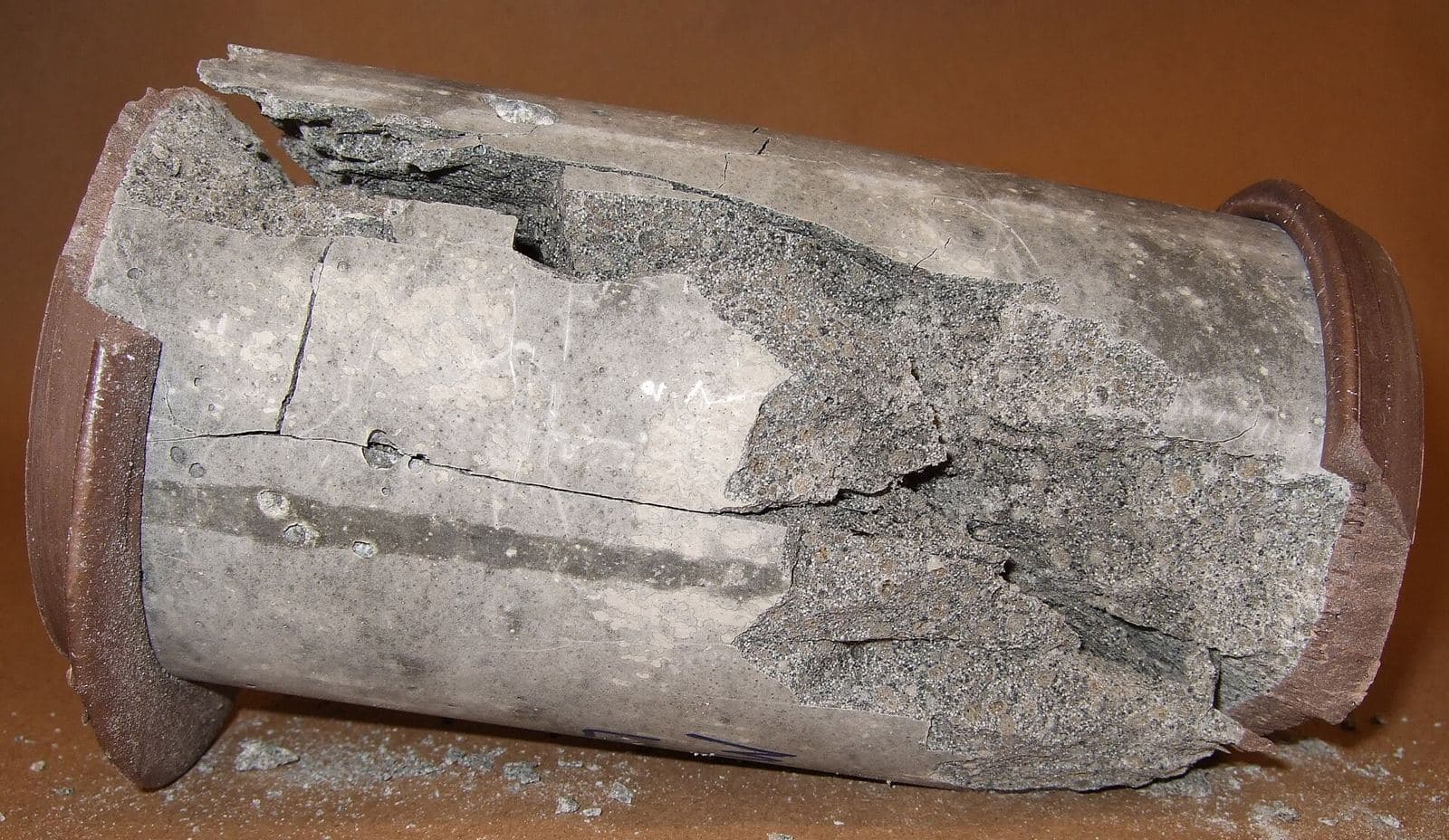
Strength here means compressive strength, how much crushing force the concrete can take. Test cylinders are taken from the batch and crushed at 28 days. Concrete is far weaker when pulled than when squeezed, which is why slabs carry steel.
Which grade for which job
| Grade | Typical uses | Supply price per m³ (excl. GST) |
|---|---|---|
| N20 | Garden paths, patios, shed bases for foot traffic, house slabs where the engineer specifies it | $285 |
| N25 | Driveways, garage floors, pool surrounds, alfresco slabs, many council crossings | $315 |
| N32 | Footings, structural slabs, driveways for heavy vehicles, saline or coastal sites | $350 |
CCAA's guidance is more relaxed than many people expect. It treats N20 as satisfactory for most residential paving, typical driveways included, and recommends stepping up to N25 or N32 as vehicles get heavier. Our calculator defaults driveways to N25 because the price difference is small and Sydney driveways regularly see delivery trucks, trailers and the odd skip bin.
When a higher grade is worth it
- Salty ground. CCAA recommends N25 for moderately saline soil, N32 for very saline and N40 for highly saline soil, which affects parts of Western Sydney.
- Near the ocean. Salt air attacks reinforcement, so engineers often specify a higher grade and more concrete cover over the steel close to the coast.
- Heavy vehicles. Motorhomes, trucks and machinery call for a higher grade and, more importantly, a thicker slab.
- The engineer says so. For footings, house slabs and retaining walls, use the grade on the drawings.
Grade is a small part of the bill
| 40m² broom driveway, level site | Total incl. GST |
|---|---|
| N20 | $7,950–$8,650 |
| N25 | $8,100–$8,800 |
| N32 | $8,300–$9,000 |
The concrete itself is only part of the price. Labour, base preparation and overheads make up the rest, and they don't change with the grade, which is why the step from N25 to N32 adds so little. Dropping a grade to save money rarely makes sense.
Water: what actually ruins strength
A grade is only as good as what ends up in the slab. Adding water at the truck makes concrete easier to spread, and it also raises the water-to-cement ratio, which lowers strength and increases shrinkage cracking. CCAA's advice is no water beyond what's needed to reach the specified slump. If the crew wants a wetter mix, the right fix is ordering a higher slump from the plant or a plasticising admixture.
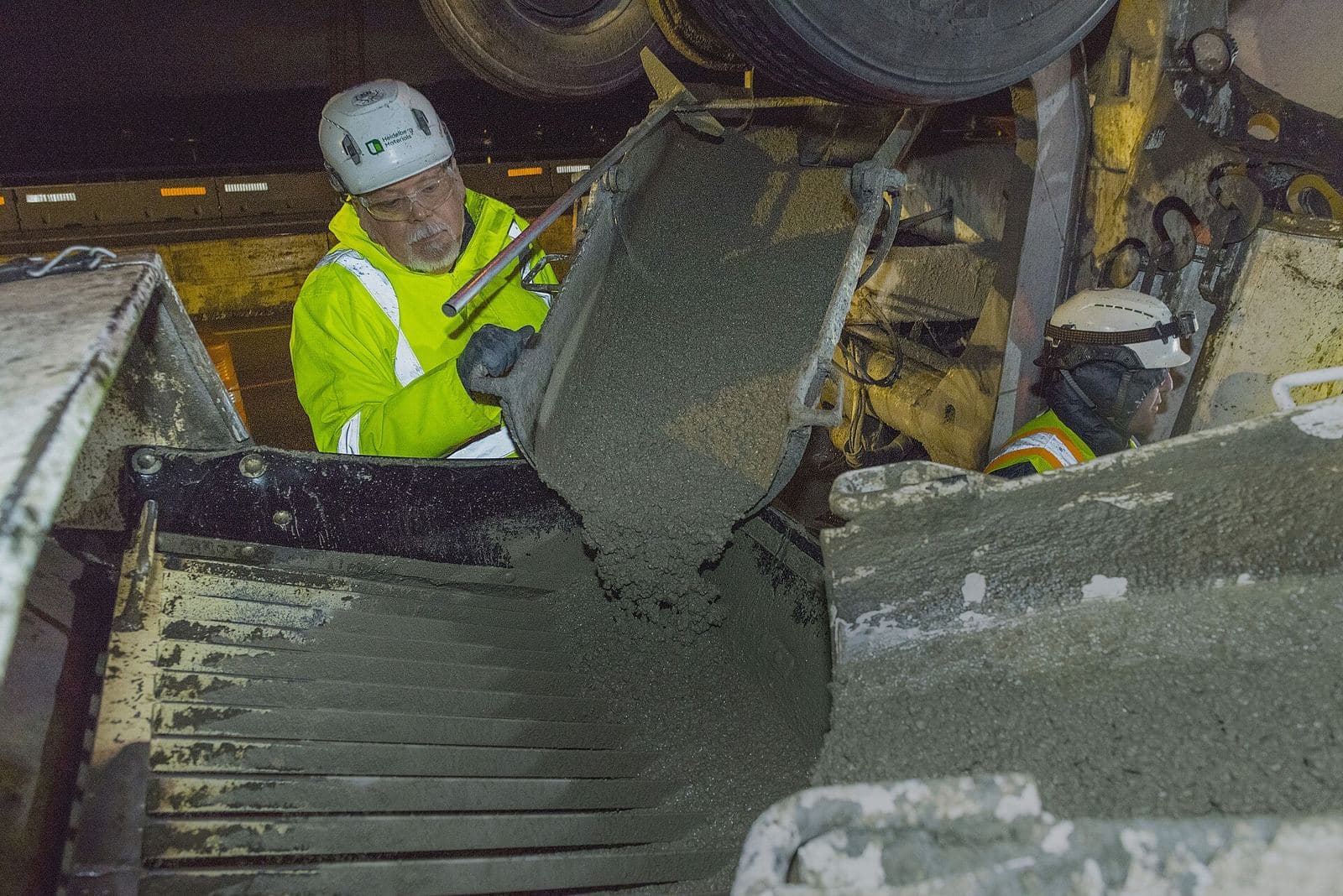
Slump is a measure of how wet the mix is: a cone is filled with concrete and lifted off, and the slump is how far the concrete sags. AS 1379 also expects concrete to be discharged within 90 minutes of mixing starting, unless supplier and buyer agree otherwise. On pour day, the delivery docket shows the grade, slump and batching time.
What would your job cost?
Enter your size, finish and site conditions for an instant estimate, built from the same rates as the figures in this guide.
Common questions
Is N25 strong enough for a driveway?
Yes, for cars, utes and the occasional light truck, provided it's at least 100mm thick on a compacted base with mesh. For regular heavy vehicles, thickness matters more than grade, and an engineer should design it.
Does a higher grade of concrete crack less?
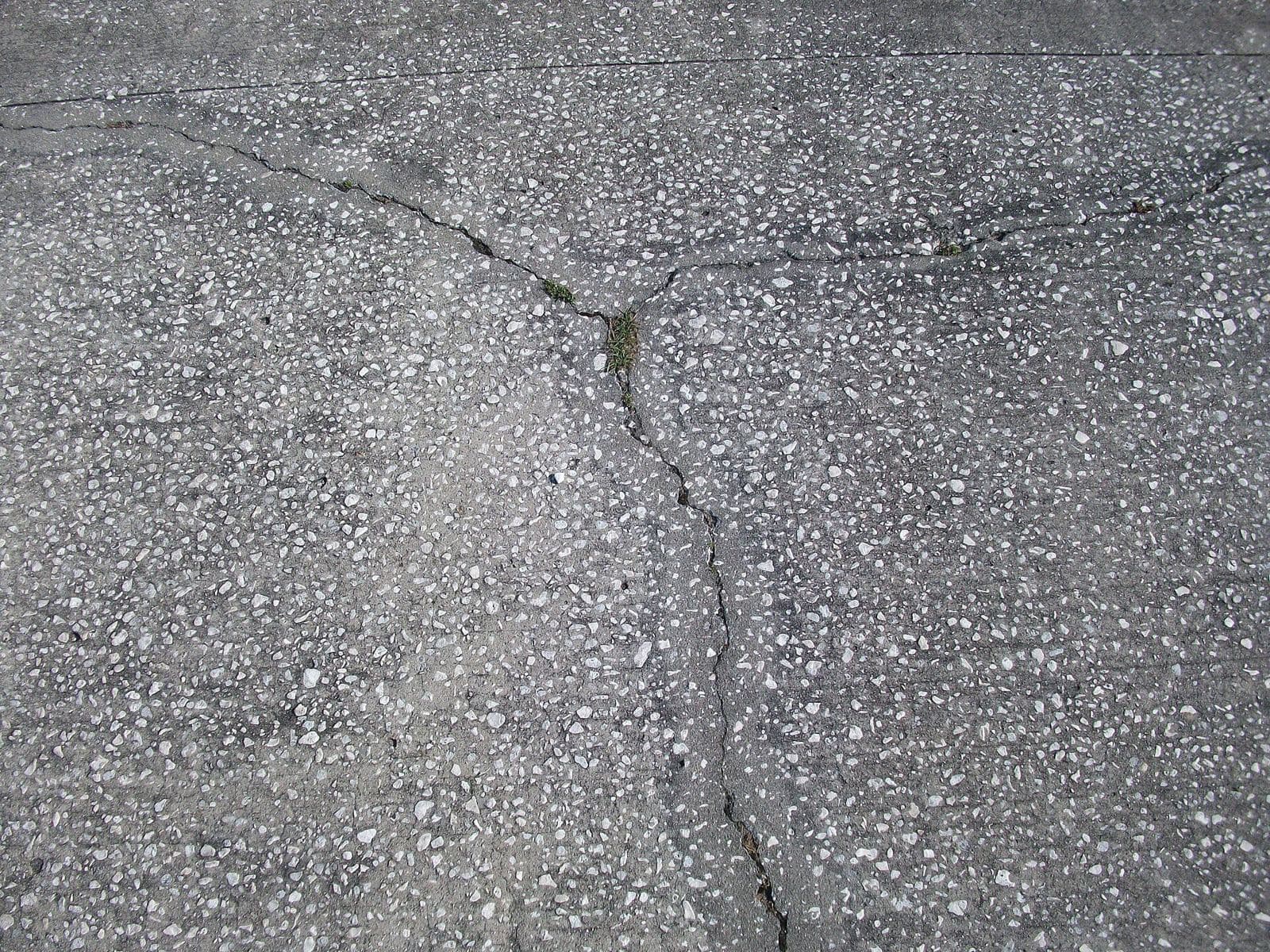
Not on its own. Cracking comes mainly from drying shrinkage and ground movement, which joints, mesh, curing and a good base control. A higher grade does give a harder-wearing surface.
Sources
- Cement Concrete & Aggregates Australia, Residential Concrete Driveways and Paths data sheet (2026)
- Cement Concrete & Aggregates Australia, Ordering Premixed Concrete data sheet
Prices in this guide come from our concrete price calculator and update when its rates are reviewed. They are estimates, not fixed quotes: the final price is confirmed at a free site inspection. Council rules were checked against each council's published policy and can change, so confirm with your council before you build.