Why heat is a problem
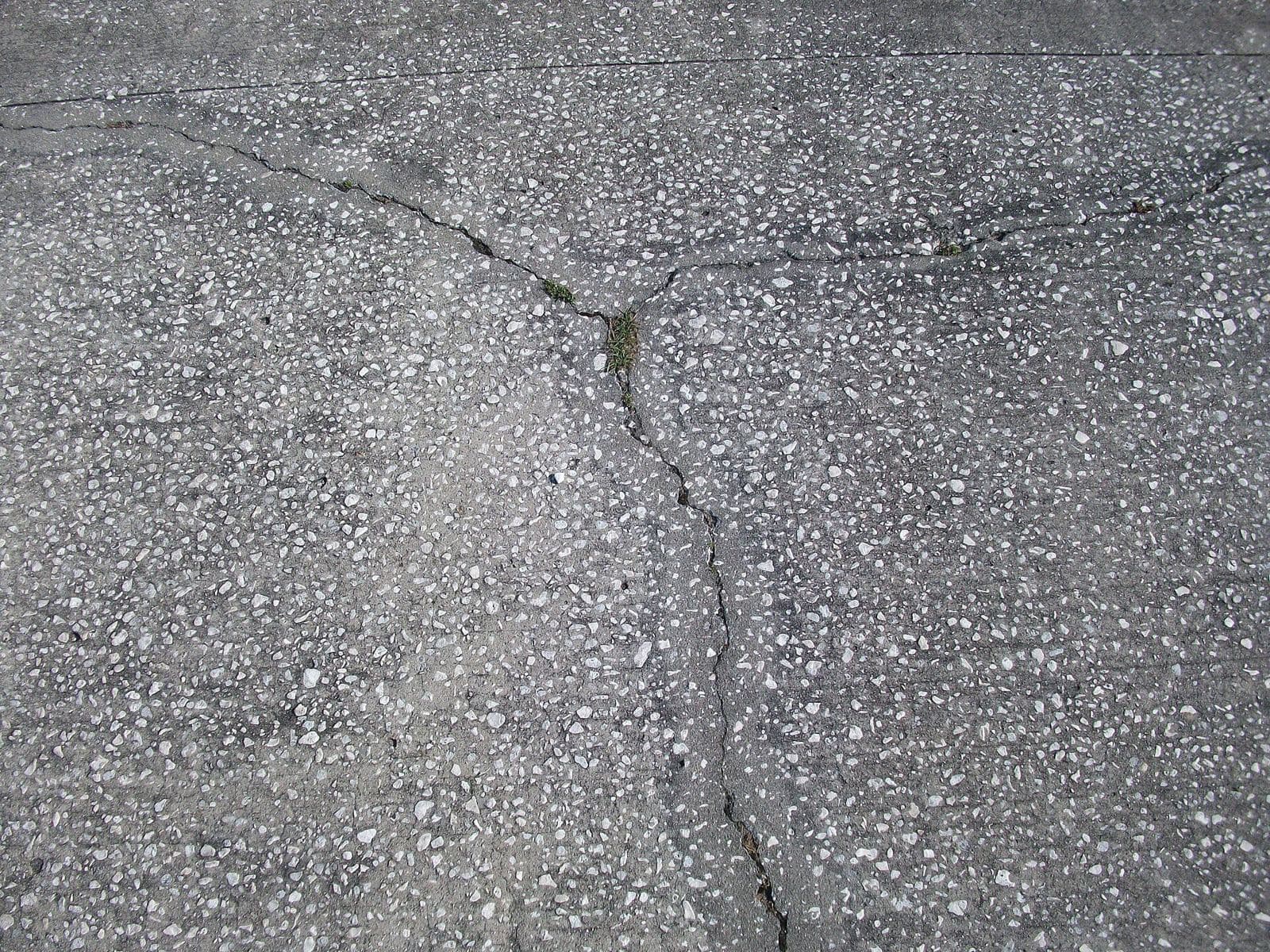
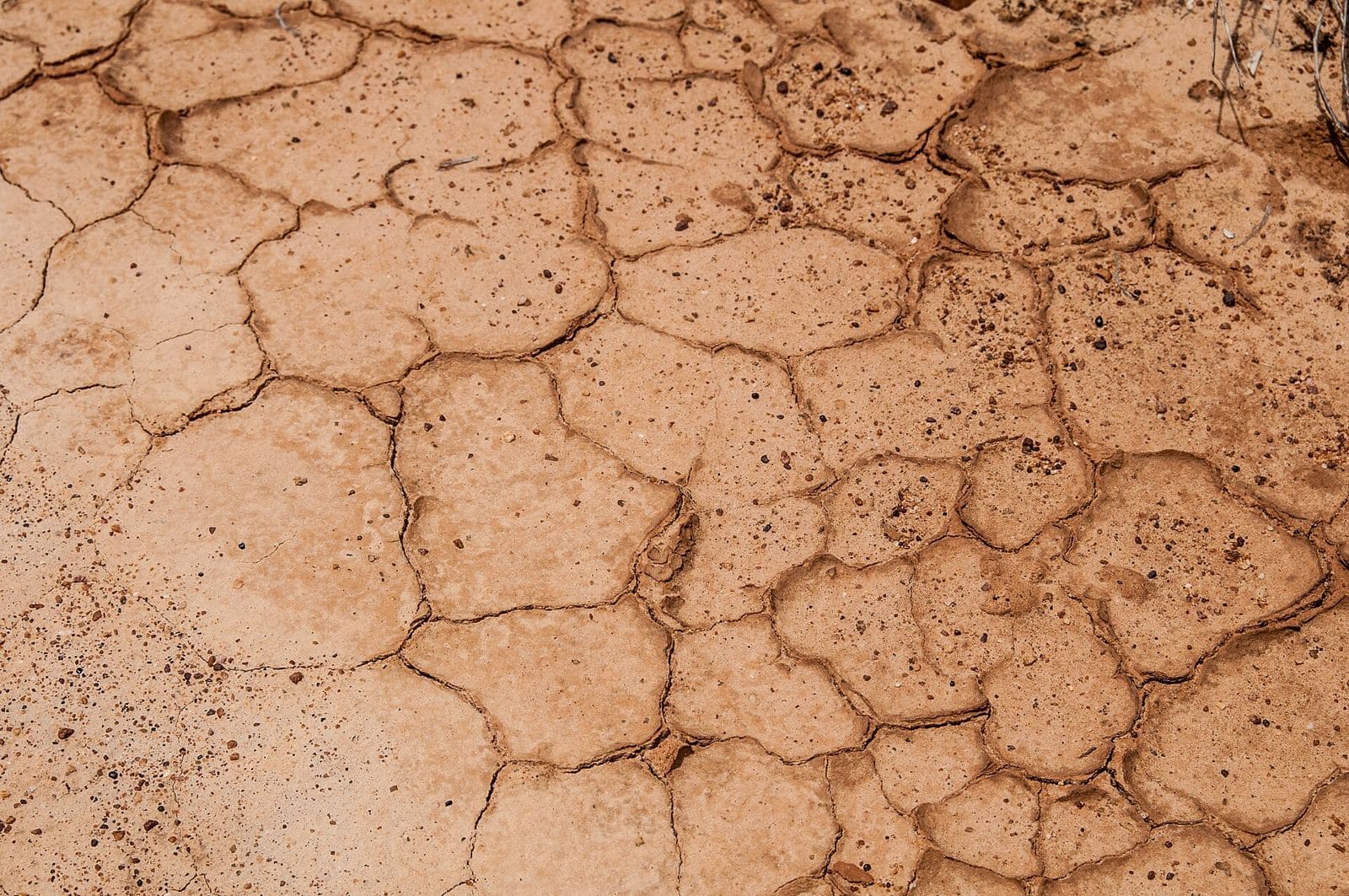
In hot weather concrete sets faster and loses water from its surface faster. Fresh concrete naturally bleeds a little water to the top; when sun and wind pull water off quicker than it bleeds, the surface dries and shrinks while the concrete below is still soft. The results are plastic shrinkage cracks, a weak, dusty top layer and, on decorative work, uneven colour.
AS 1379 caps the temperature of delivered concrete at 35°C, and CCAA recommends taking precautions once the air temperature passes 30°C. Hot days in Western Sydney regularly go well beyond that, and a slab sitting in full sun gets hotter than the air around it.
What concreters do on hot days
- Start at first light so finishing is done before the afternoon peak.
- Order a set-retarding admixture from the plant for more working time.
- Dampen the base beforehand, without leaving puddles, so dry ground doesn't draw water out of the concrete.
- Put up shade and wind breaks on exposed sites.
- Spray an evaporation retarder, such as an aliphatic alcohol film, between finishing passes.
- Get curing compound on as soon as finishing allows, and avoid black plastic, which heats the slab.
- Move the pour if a 40°C day with hot westerlies is forecast.
Rain
Rain on concrete that has already set is mostly harmless and can even help it cure. The damage happens in the first few hours. Rain falling on fresh concrete mixes into the surface and raises the water content of the top layer, leaving it weak and dusty, and heavy drops pit the finish. Water lying on the base before the pour does the same from underneath, which is why CCAA says to remove standing water before concrete is placed.
Drizzle while finishing can usually be handled by covering each section with plastic as it's completed. A storm during the pour can't be managed that way, so most concreters will call off a pour if heavy rain is forecast for the morning.
Cold mornings
Sydney rarely gets cold enough to freeze concrete, but winter mornings in Penrith, Richmond and Campbelltown can drop close to zero. Cold slows the set, so finishing takes longer and strength comes on more slowly. CCAA recommends precautions below 10°C air temperature and protecting fresh concrete from freezing for at least 24 hours. In practice that means a later start, sometimes an accelerating admixture, and a few extra days before driving on it.
Rescheduling
Concrete is ordered for a time slot, and cancelling late can attract a fee. That's still cheaper than a slab with a ruined surface, which can only be fixed by grinding, resurfacing or replacing it. Ask about the wet-weather policy when you accept a quote: who makes the call on the morning, how much notice is needed and whether there's a charge.
The easiest time of year
Autumn and spring are the easiest seasons for concreting in Sydney, with mild temperatures and fewer summer storms. Summer and winter pours are fine with the right planning. What matters most is the forecast for that particular morning.
Once the slab is down, how long before you can drive on new concrete covers curing and when it's ready to use.
Planning a concrete job?
Get your personalised quote from a vetted, licensed concreter near you.
Common questions
Can you pour concrete in the rain?
In light drizzle, yes, with the slab covered as it's finished. Not in heavy rain, which leaves the surface weak and pitted. Most concreters reschedule if heavy rain is forecast.
What temperature is too hot to pour concrete?
Concrete shouldn't be placed if its own temperature is over 35°C, and precautions are recommended once the air passes 30°C. On very hot, windy days, start early or pick another day.
Sources
- Cement Concrete & Aggregates Australia, Hot-Weather Concreting data sheet (2026)
- Cement Concrete & Aggregates Australia, Residential Concrete Driveways and Paths data sheet (2026)
Prices in this guide come from our concrete price calculator and update when its rates are reviewed. They are estimates, not fixed quotes: the final price is confirmed at a free site inspection. Council rules were checked against each council's published policy and can change, so confirm with your council before you build.