When the truck can reach
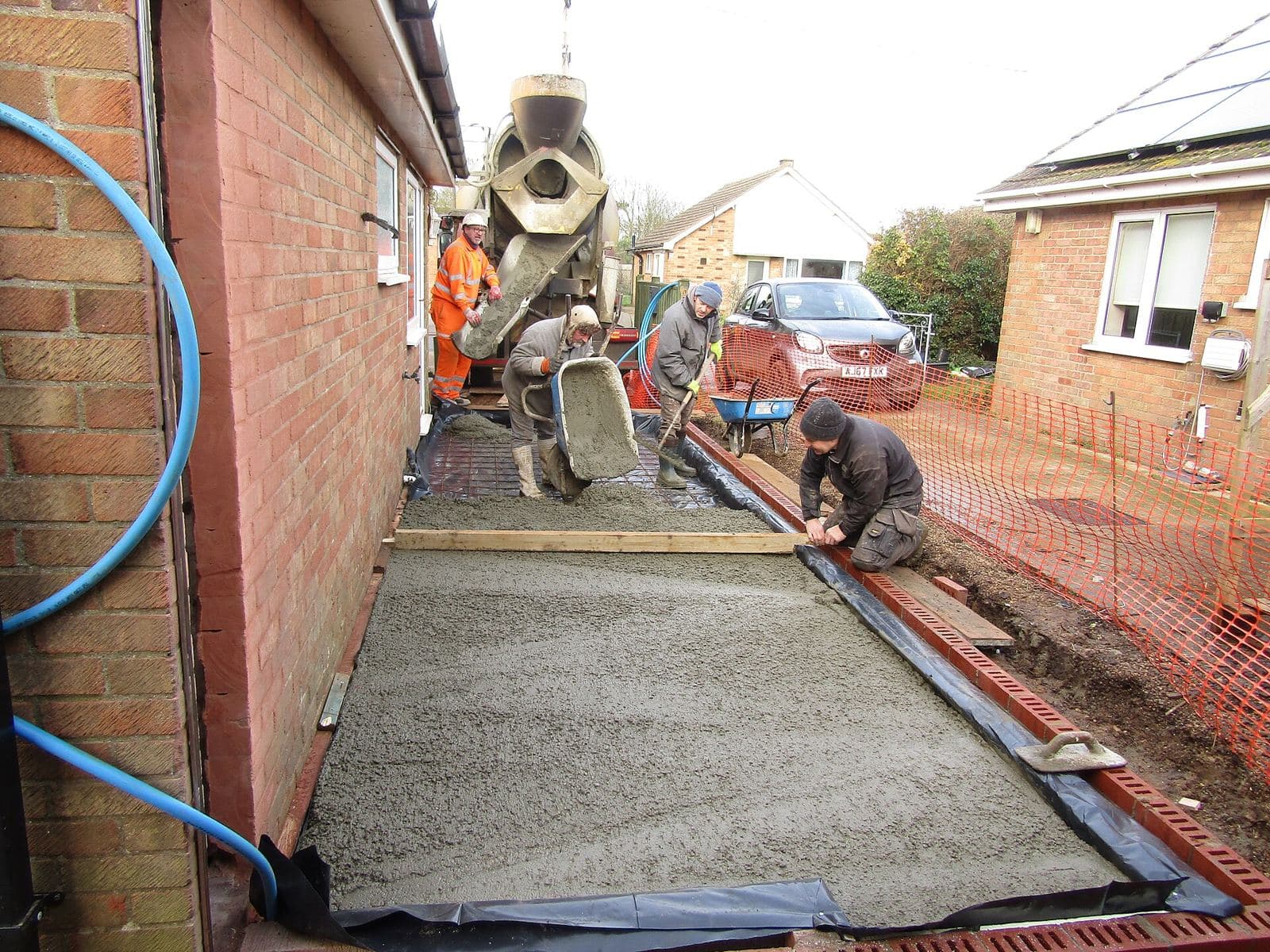
A concrete truck delivers through a chute at the back that swings around and extends a few metres. If the truck can back up to the formwork on firm ground, the concrete goes straight in, which is the cheapest and quickest way to pour. Most front driveways are done this way.
The truck is the limit. A loaded truck is very heavy, so it can't cross existing paths, pits or soft lawn without risking damage, and it won't fit down a side passage.
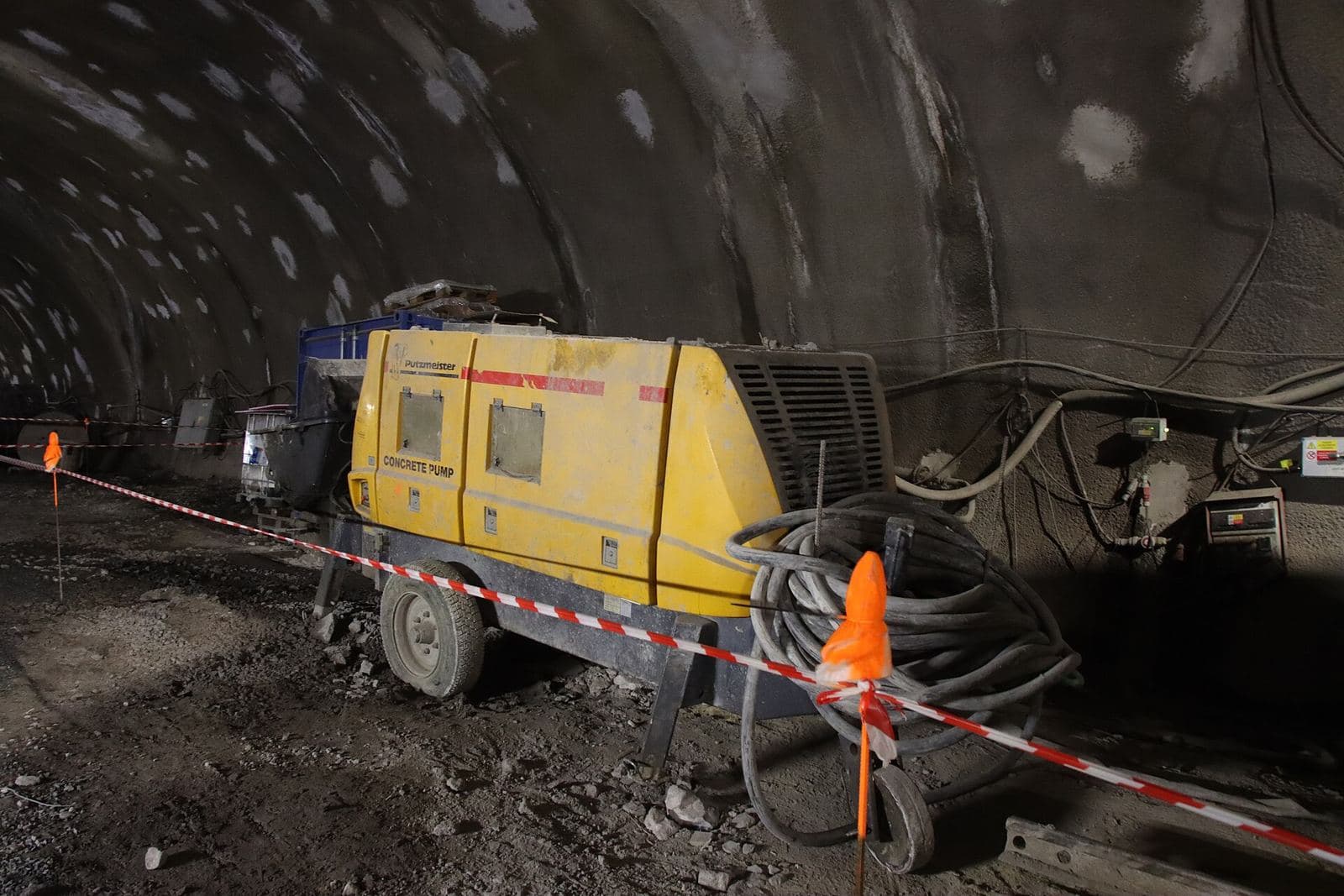
Line pumps and boom pumps
| Line pump | Boom pump | |
|---|---|---|
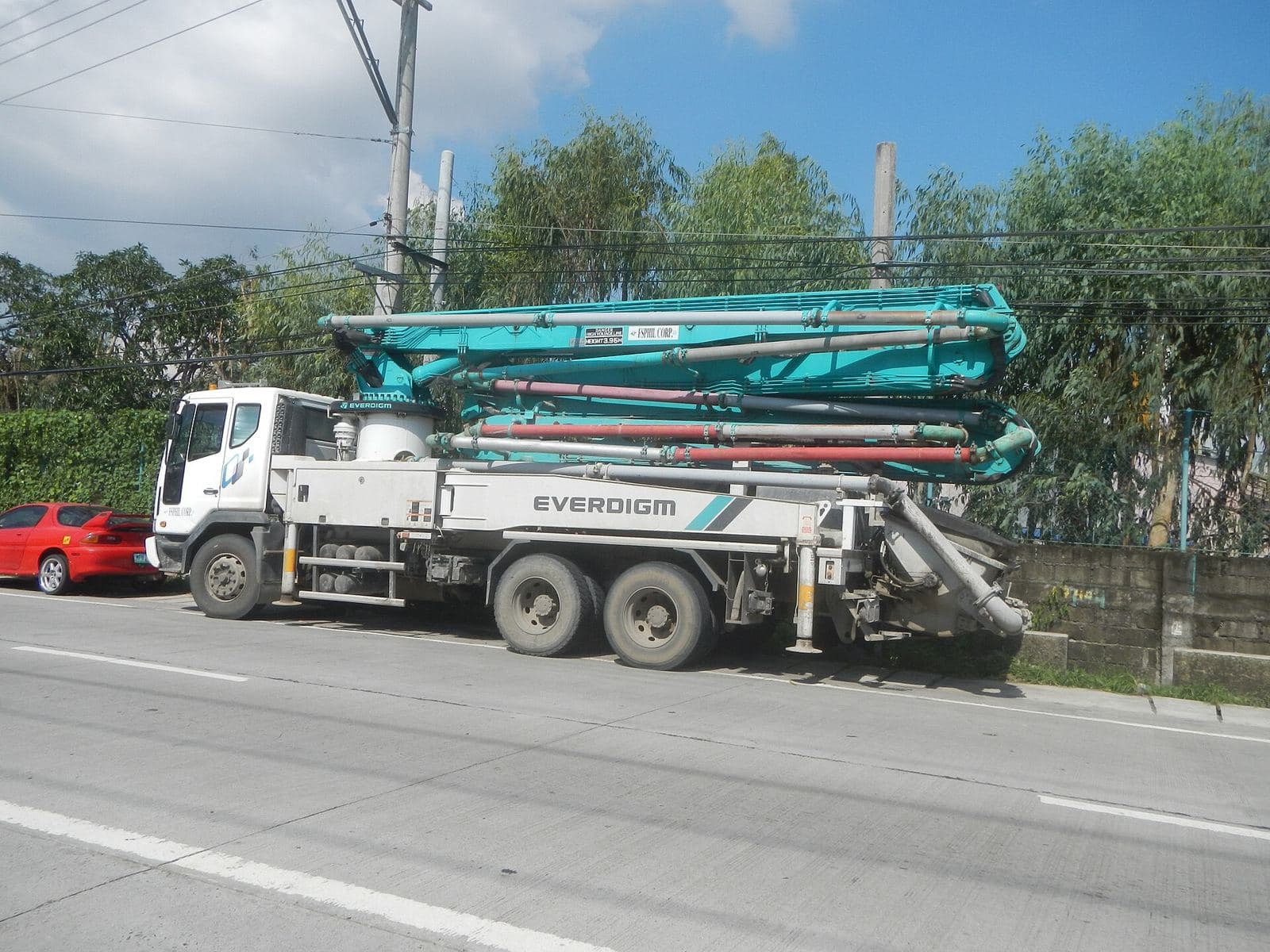
| What it is | A trailer- or truck-mounted pump pushing concrete through pipes and hose laid along the ground | A truck with a folding hydraulic arm that places concrete from above |
| Best for | Backyard slabs, pool surrounds, paths and terraces, with the hose run through a side passage or the house | Larger pours, upper floors, and pouring over a house or wall |
| Set-up | Hose laid along the access route | A stable spot on the street or site, and room to swing the arm clear of power lines |
What a pump adds
| 40m² slab, level site | Total incl. GST |
|---|---|
| Truck can reach, good machine access | $8,100–$8,800 |
| Pump needed, good machine access | $9,300–$10,000 |
| Pump, mini-machine access only | $9,700–$10,650 |
| Pump, hand digging and barrow access only | $10,400–$11,650 |
Access moves the price more than the pump does. A pump carries the concrete, but the digging, base material and spoil still have to get in and out, and on a site with no machine access that's done by hand and barrow.
When barrowing still works
For small pours close to the truck, a crew with wheelbarrows can cost less than a pump. CCAA puts a typical barrow placing rate at about 1 to 1.5m³ an hour, over distances up to about 50m on a reasonably level, smooth path. That's fine for a garden path or a small shed slab. A 4m³ backyard slab, though, means three hours or more of barrowing while the concrete stiffens and the 90-minute discharge window under AS 1379 runs down. That's when a pump earns its fee.
Terraces and tight blocks
Terraces with no side access are the classic pump job: the hose runs through the front door and hallway to the courtyard, on protective covers, and is flushed out at the end. If the pump or truck has to stand on a busy street, some councils require a permit. Our Inner Sydney and Inner West pages cover local access and council rules.
Questions to ask
- Is pump hire in the quote, and which pump?
- Where will the pump and truck stand, and is a road permit needed?
- How will the hose route through the property be protected?
- Is excavation priced for machine access or hand digging?
- What's the plan if the pump breaks down mid-pour?
What would your job cost?
Enter your size, finish and site conditions for an instant estimate, built from the same rates as the figures in this guide.
Common questions
How far can a concrete pump reach?
A line pump can push concrete a long way through its hose, enough for most suburban backyards, including through a house. A boom pump's reach is set by the length of its arm. The concreter chooses the pump for the distance and height involved.
Can concrete be pumped through a house?
Yes. It's common for terraces and houses with no side access. The hose is laid on protective covers through the house and cleaned out at the end.
Related services
Sources
- Cement Concrete & Aggregates Australia, Residential Concrete Driveways and Paths data sheet (2026)
- Cement Concrete & Aggregates Australia, Ordering Premixed Concrete data sheet
Prices in this guide come from our concrete price calculator and update when its rates are reviewed. They are estimates, not fixed quotes: the final price is confirmed at a free site inspection. Council rules were checked against each council's published policy and can change, so confirm with your council before you build.